
17: Meeting Myself at the Studio Museum in Harlem
December, 2025
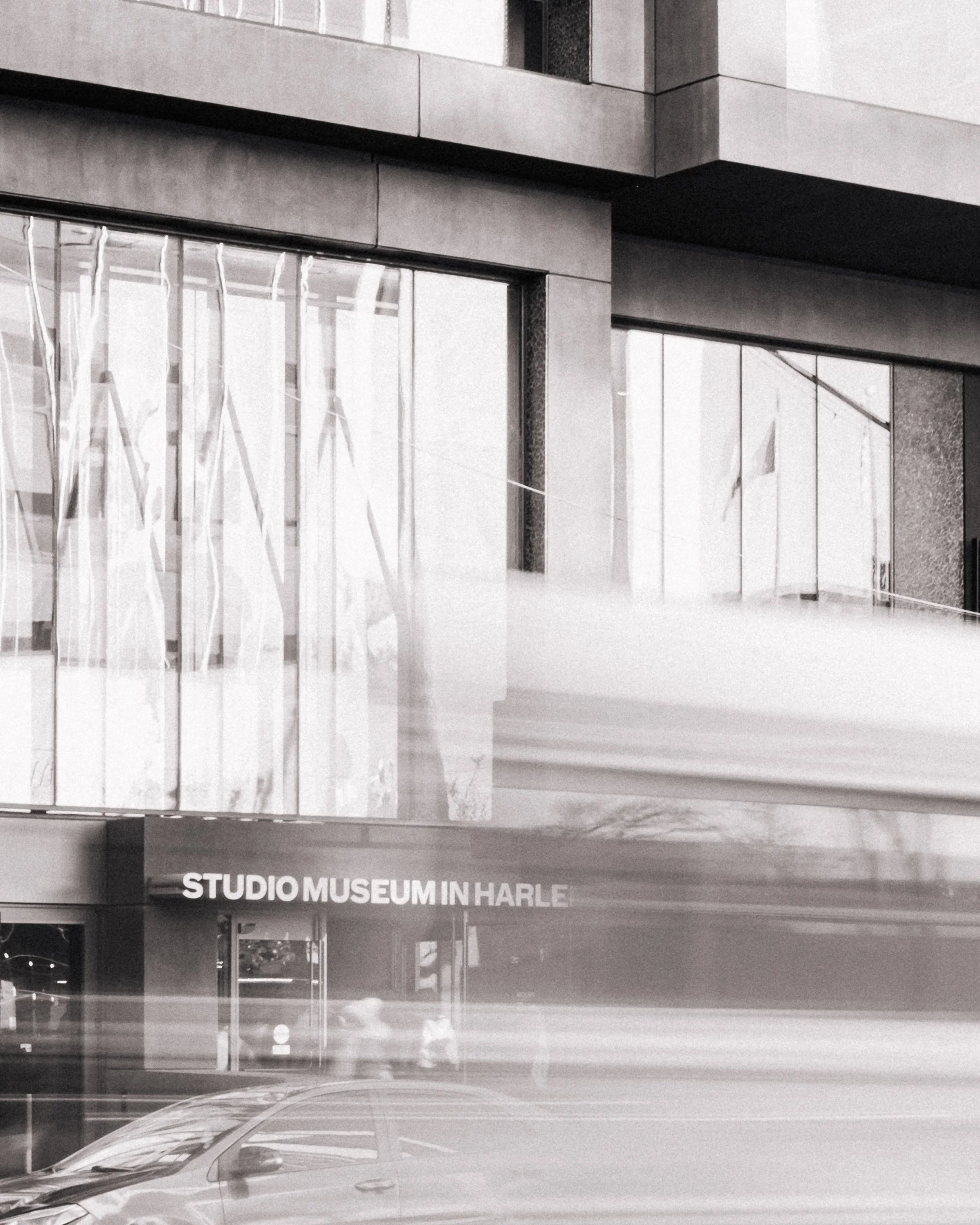
I stepped onto 125th Street and into a building that feels less like a fortress for art and more like a living room for Black imagination. The Studio Museum’s new, light-filled home rises seven stories, with a sculptural stair that moves like a procession and a rooftop that gives you sky—room to breathe and look out over Harlem. The building announces what the museum has always practiced: we belong here, and so does our work.
Inside, I felt a shift I rarely get in museums: permission. As a Black creative, I don’t just see images of myself in a Black museum; it changes how I work. Here, Blackness isn’t translated for someone else’s comfort. It is allowed to be complex, playful, tender, experimental, and exacting. The space invites process, not just polish. I moved more slowly. I listened harder.
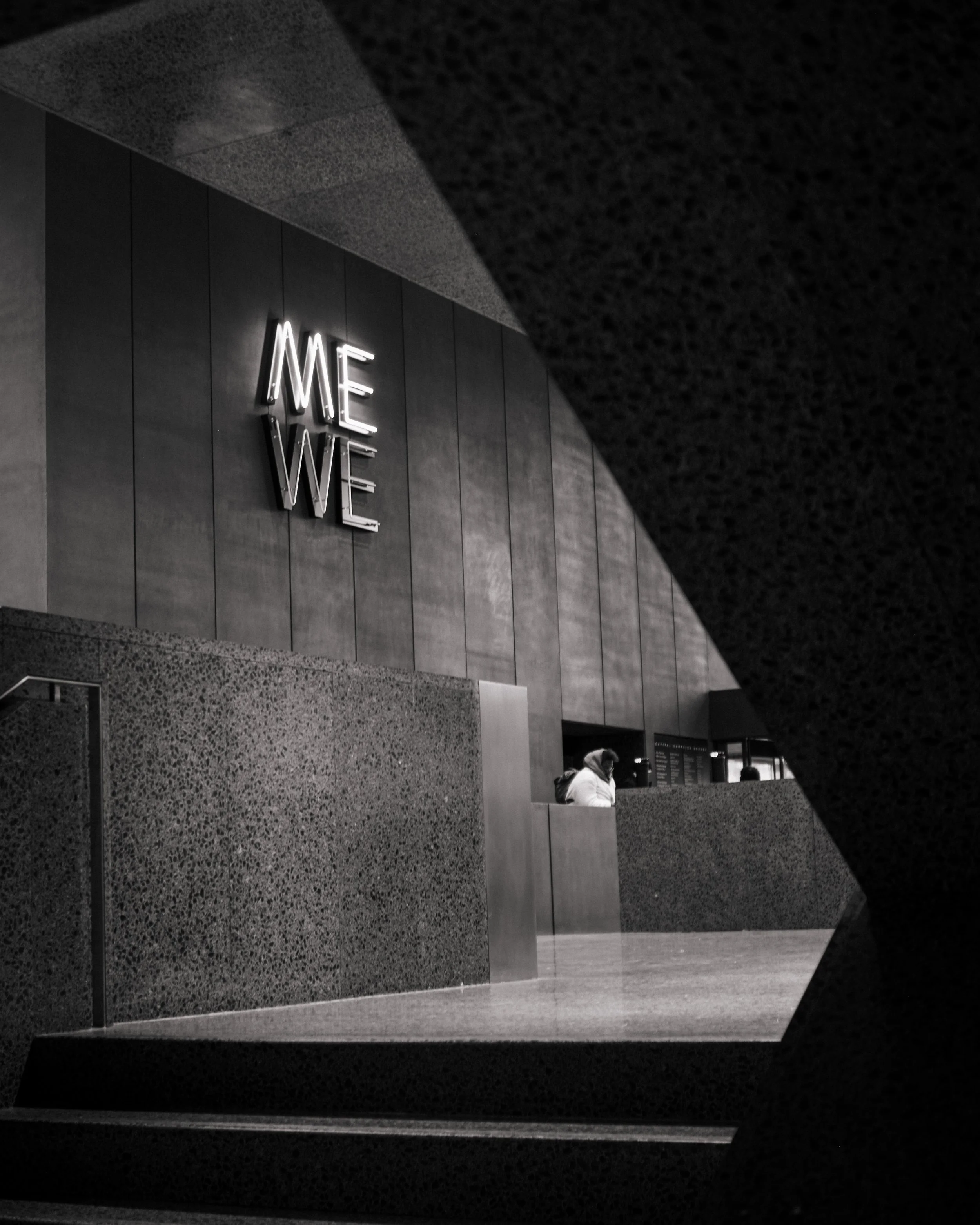
That feeling has a lineage. Founded in 1968 by artists, activists, and Harlem neighbors, the Studio Museum was built to center artists of African descent and the communities around them. The Artist-in-Residence program is its heartbeat—investing in the messy, luminous middle of making. So many of the artists who shape our visual language today passed through those studios. Seeing their names clustered as a living network, not isolated stars, makes the path feel possible.
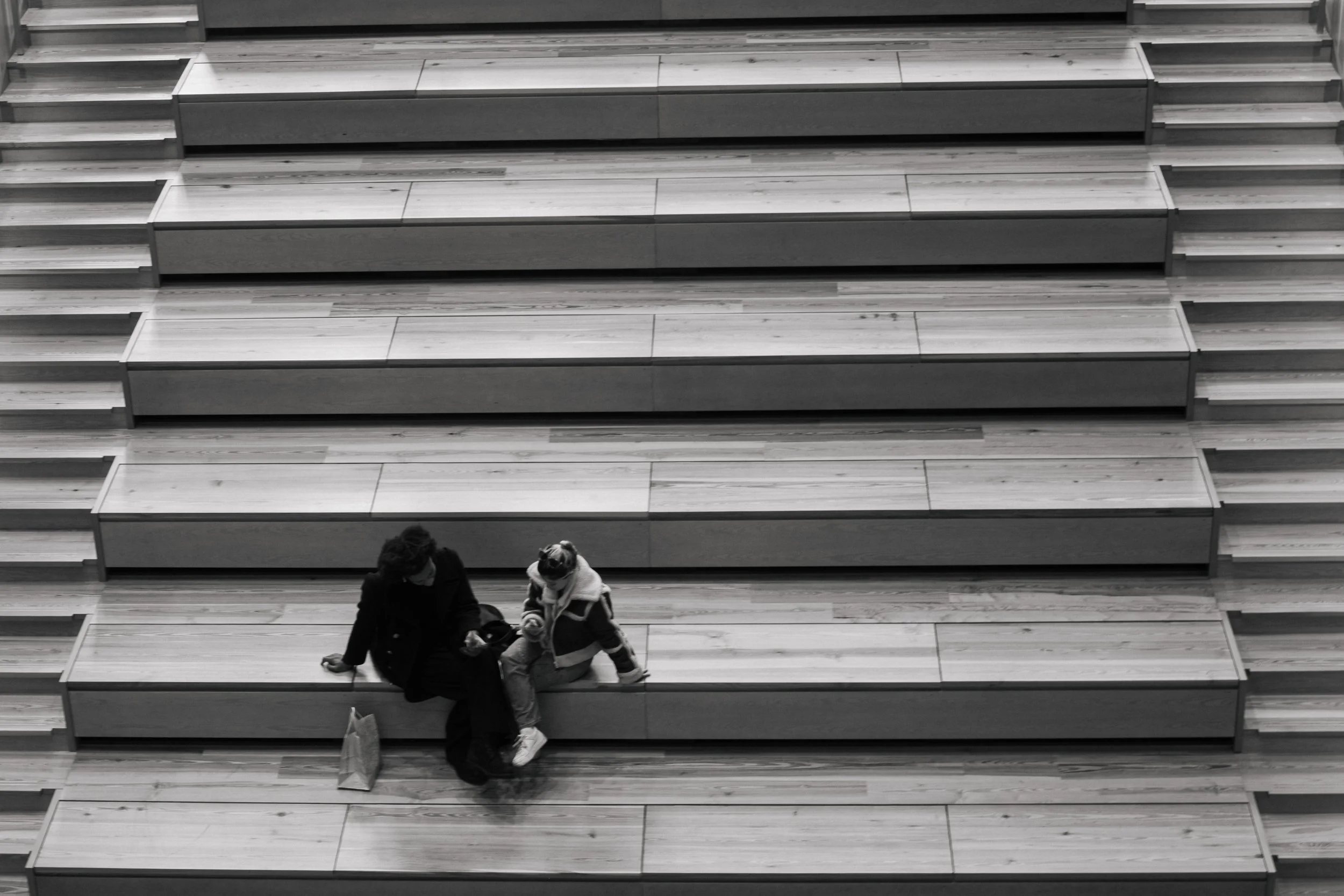
The new building doubles down on that commitment. There’s more exhibition space, bigger studios, and generous rooms for learning and gathering. You can feel it in the thresholds, in the way the classrooms spill into public areas, in how long people linger. The stair acts like a chorus: aunties decoding palettes, college students debating whether a piece is “too much” or “just enough.”
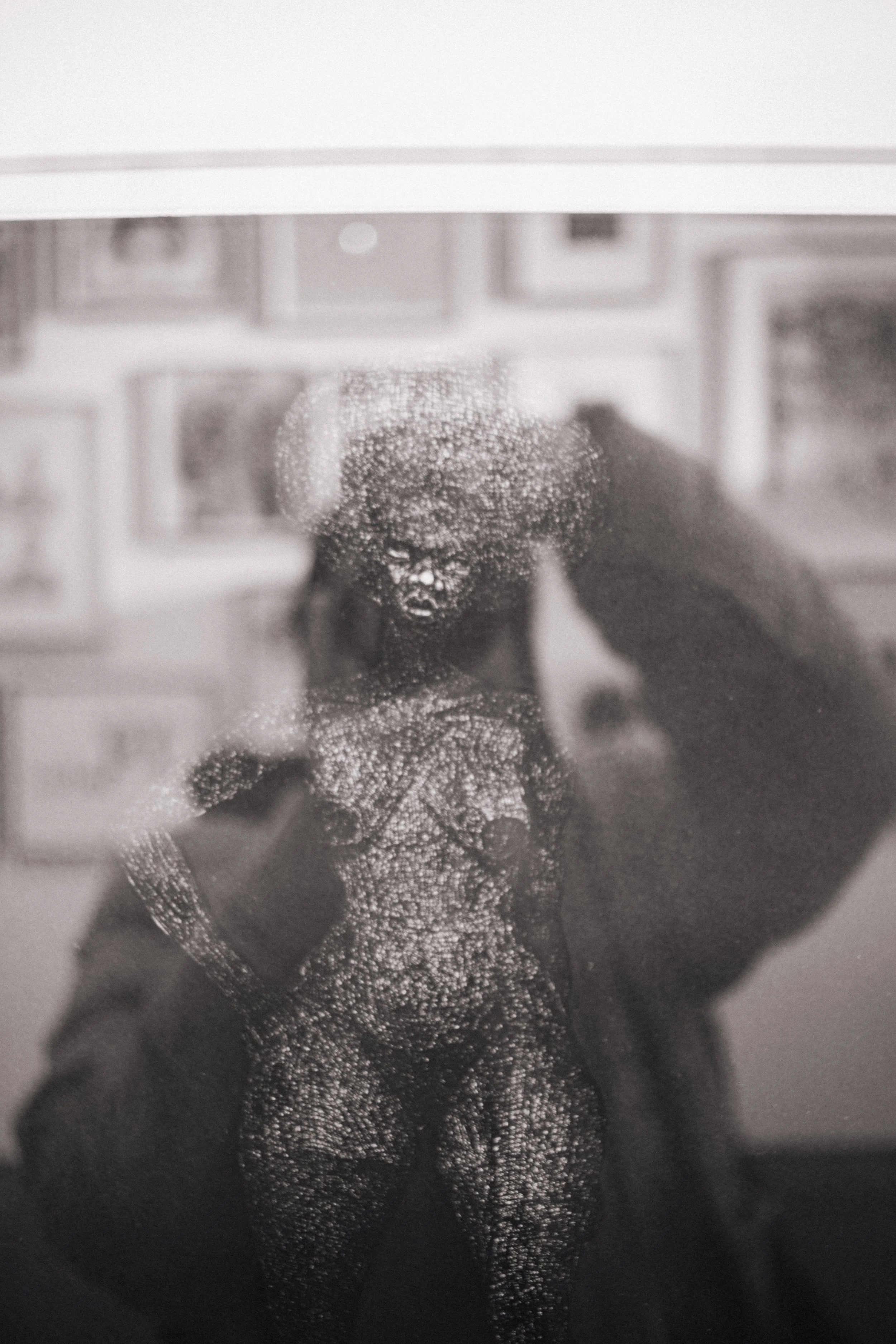
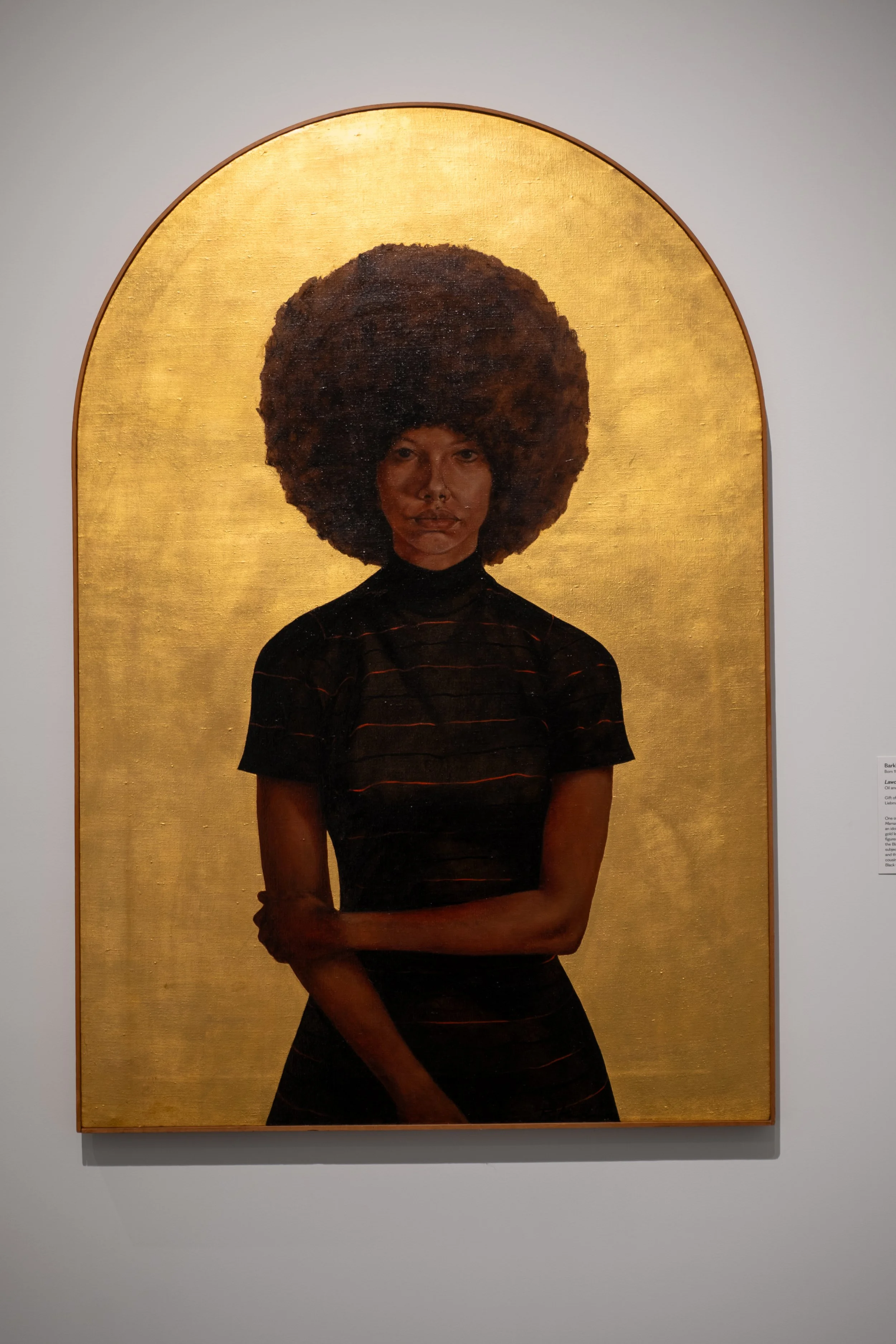
What struck me most was the museum’s stamina. During the construction years, they didn’t go quiet. Through off-site shows, Studio Museum 127, and inHarlem programs, the institution kept the work in circulation. The reopening, guided by Thelma Golden’s steady leadership, doesn’t feel like a brand-new start—it feels like a return with deeper roots.
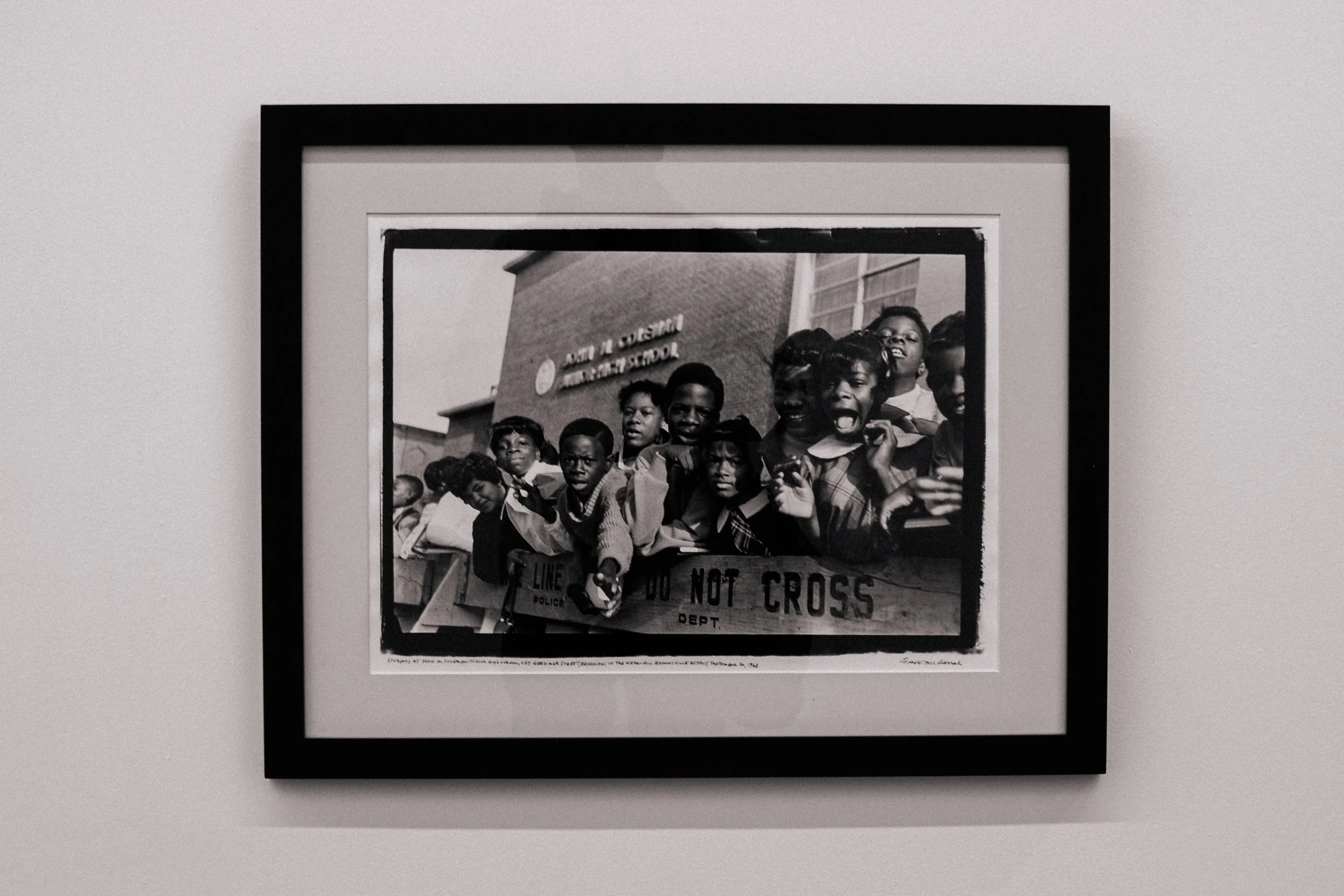
Being there clarified the difference between visibility and vision. Visibility is numbers and headlines. Vision is what makes a room feel like a clearing. Walking the galleries, I realized the place was doing what great studios do: teaching me how to see again—not as a consumer, but as a maker, noticing edits, seams, and decisions.
What struck me most was the museum’s stamina. During the construction years, they didn’t go quiet. Through off-site shows, Studio Museum 127, and inHarlem programs, the institution kept the work in circulation. The reopening, guided by Thelma Golden’s steady leadership, doesn’t feel like a brand-new start—it feels like a return with deeper roots.
Being there clarified the difference between visibility and vision. Visibility is numbers and headlines. Vision is what makes a room feel like a clearing. Walking the galleries, I realized the place was doing what great studios do: teaching me how to see again—not as a consumer, but as a maker, noticing edits, seams, and decisions.
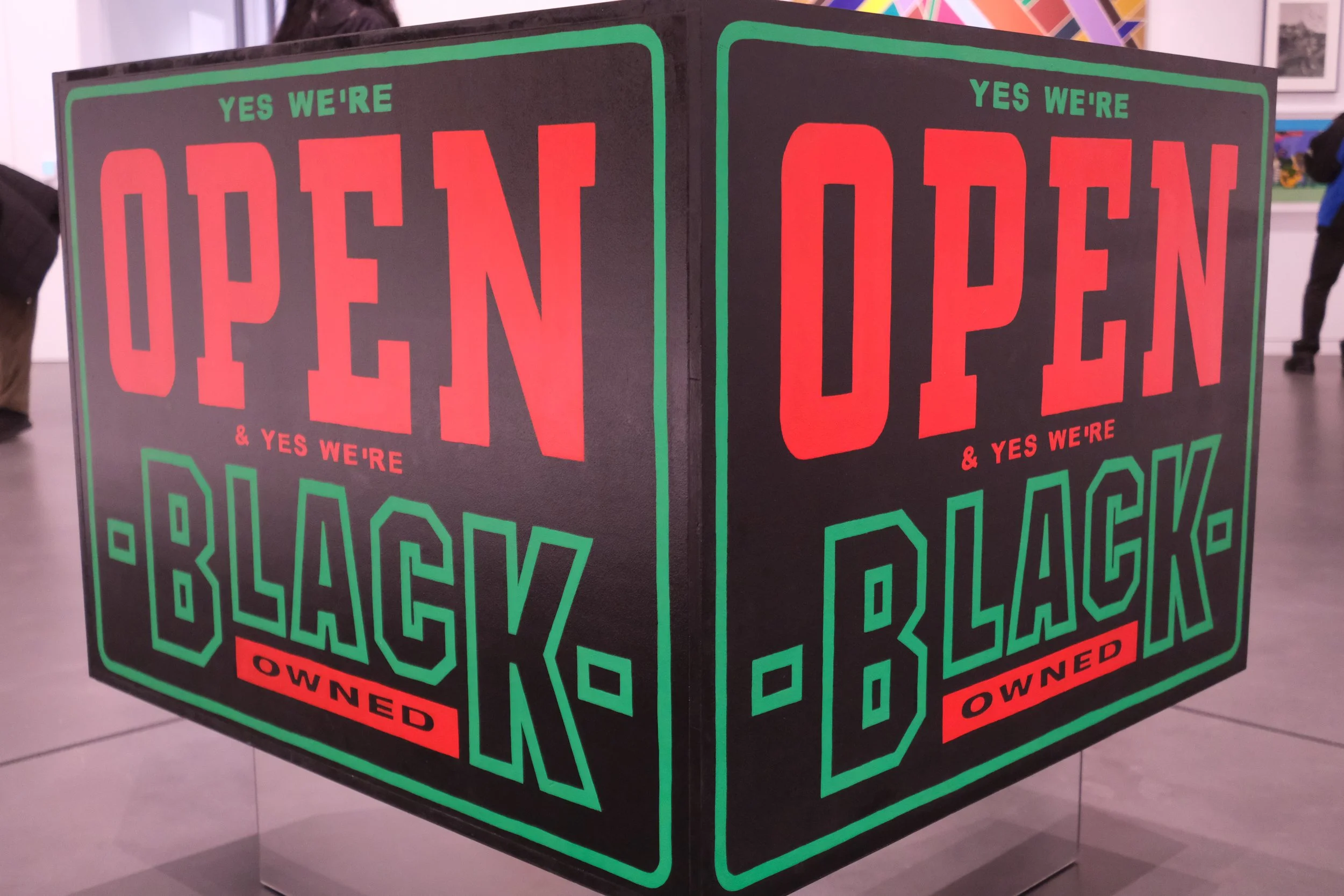
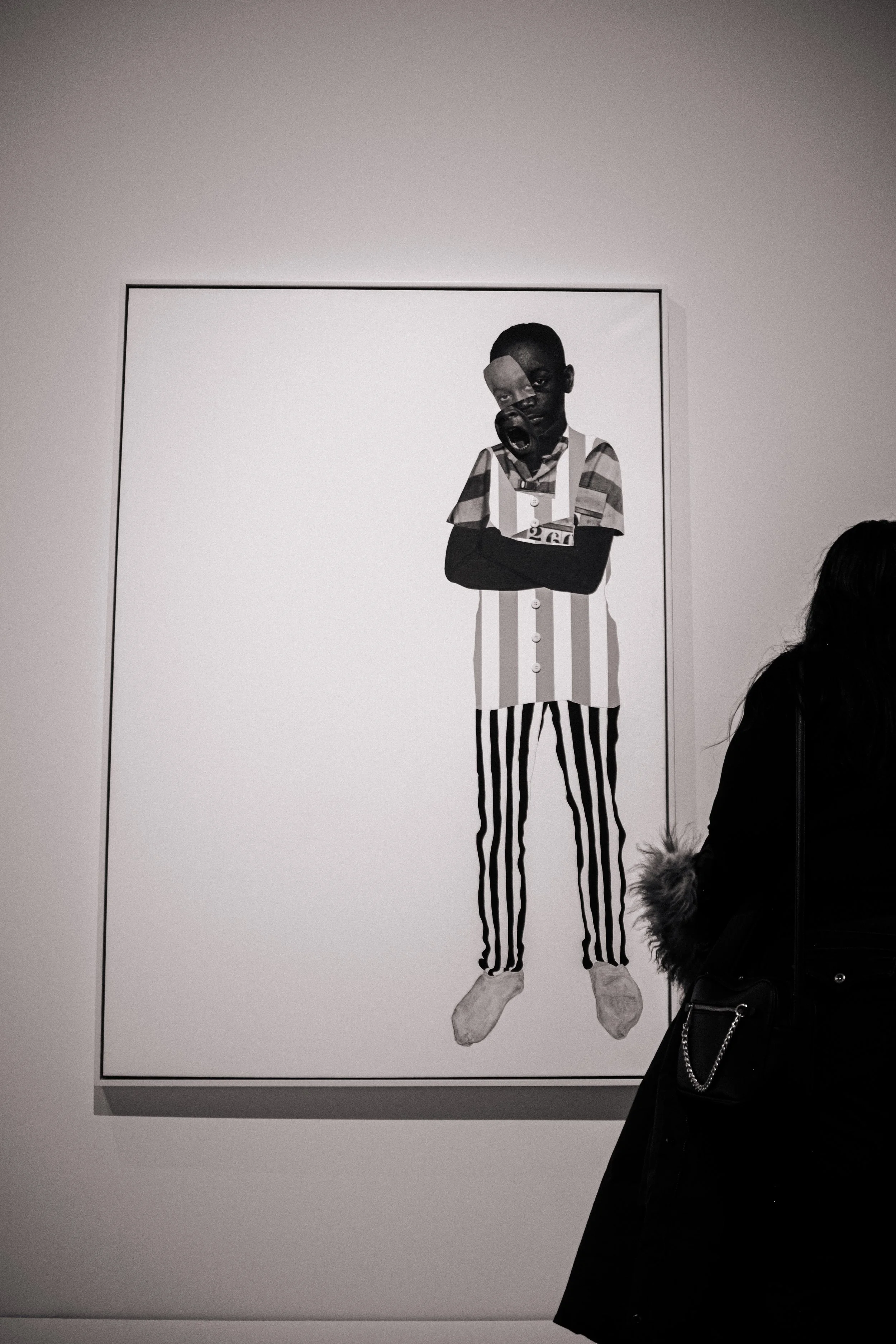
I left with a thought: The Studio Museum holds memory with one hand and passes you a tool with the other. It reminds me that our future isn’t just imagined; it’s fabricated—soldered, stitched, revised.
The Studio Museum is that room—purpose-built, on our own block, in our own time. With residencies returning to 125th Street, expanded classrooms, and a garden in the sky, it doesn’t just send me home with ideas; it sends me home with a sense of purpose. It sends me home with infrastructure—and the urge to get to work.