
This week’s five spaces
11.22.2026
Architecture is more than the buildings we inhabit. It reflects who we are, where we come from, and the stories we choose to preserve.
01. Hikma Community Complex
Dandaji, Niger
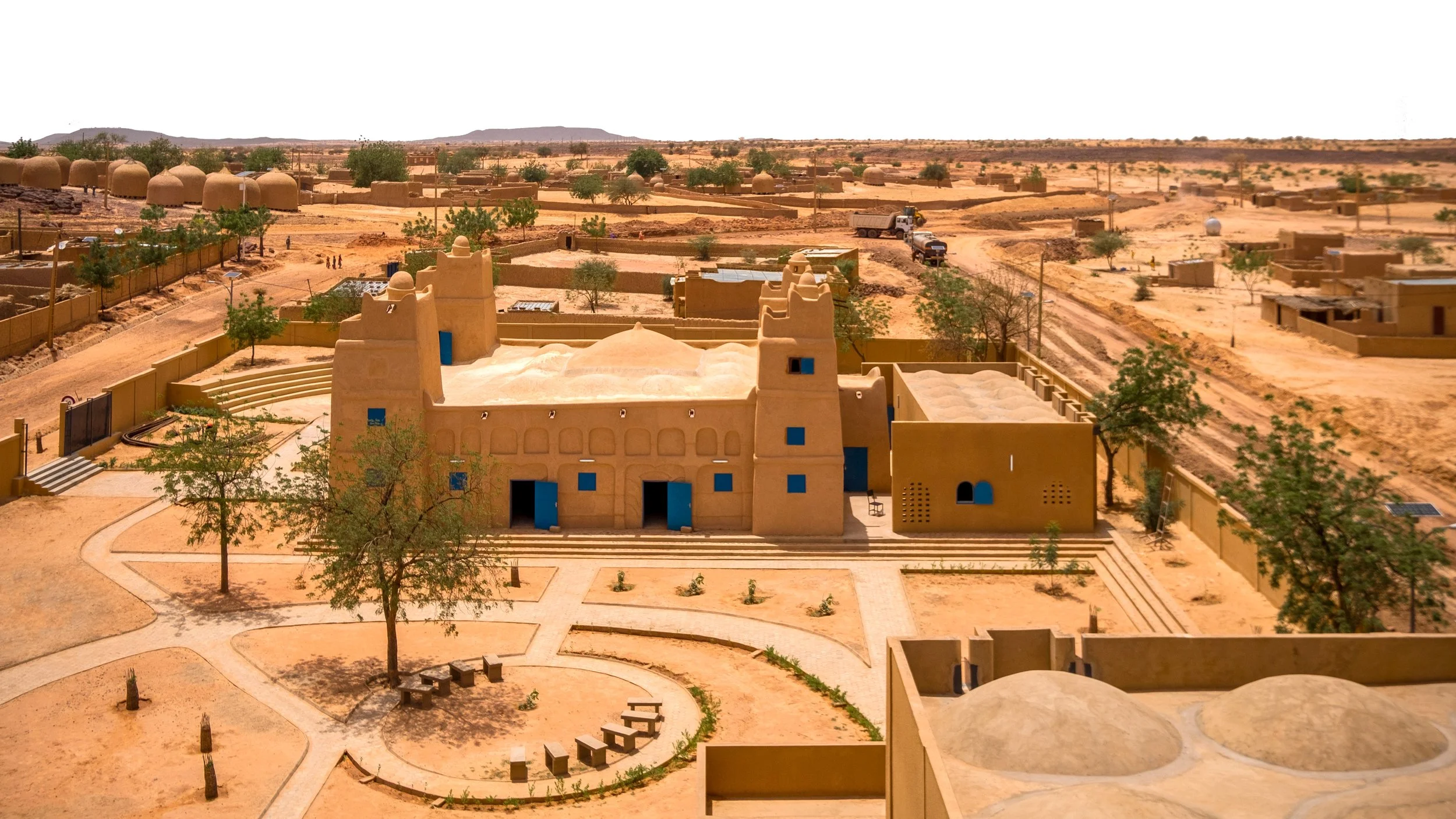
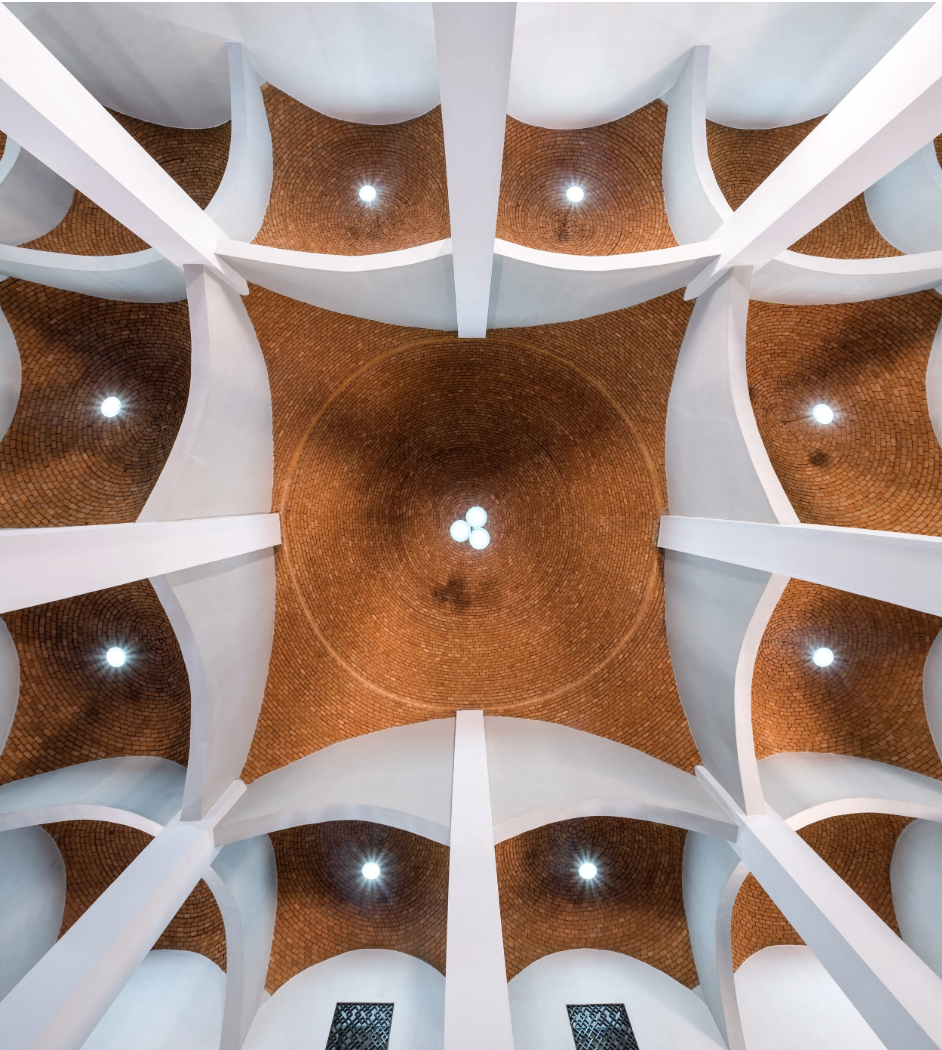
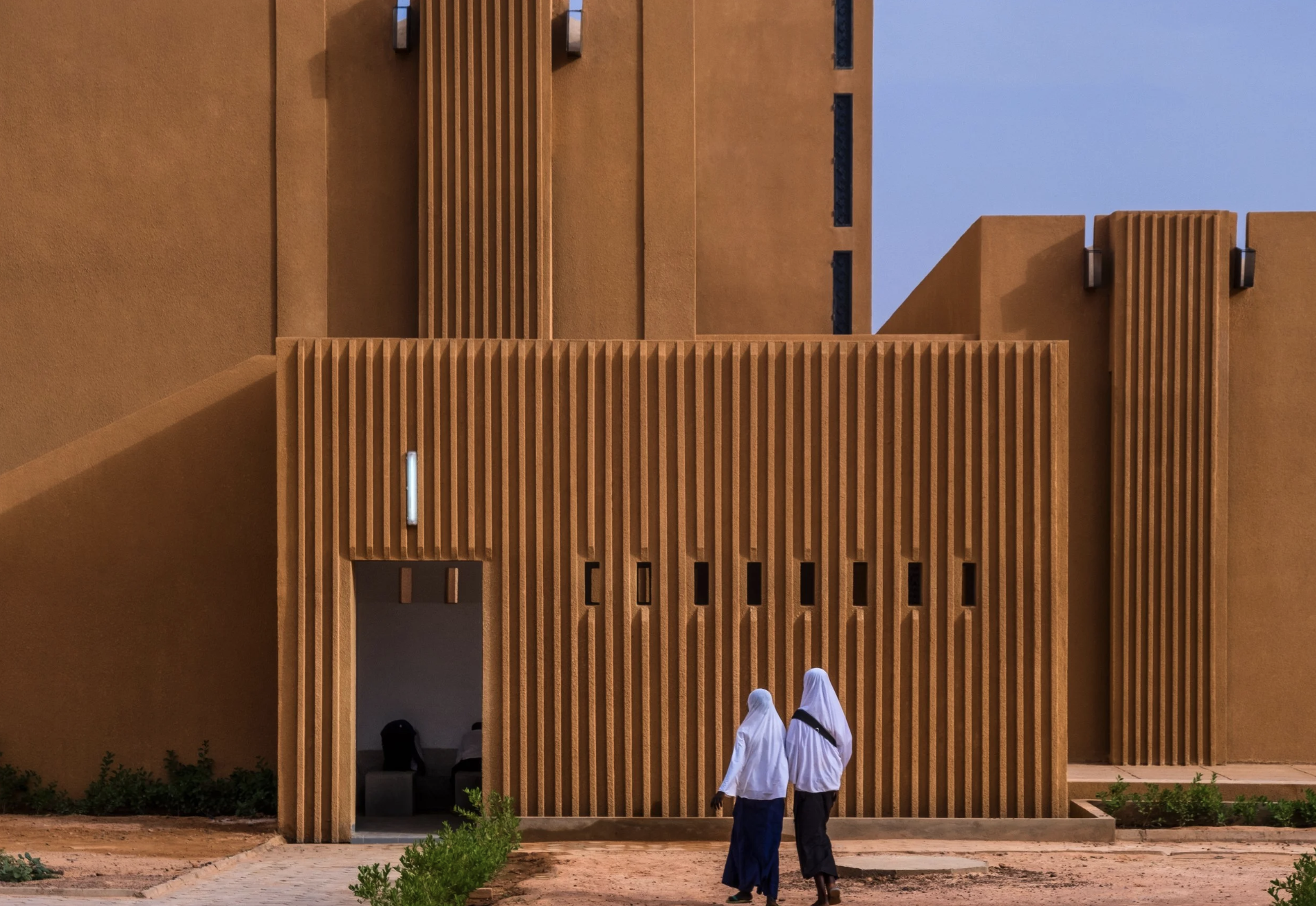
Architects: Mariam Issoufou (formerly Atelier Masōmī), in collaboration with Yasaman Esmaili.
Why it belongs on the list
Hikma, meaning wisdom, is a wonderful example of architecture bringing different aspects of community life together.
The project transforms an existing, deteriorating mosque into a library and educational centre, alongside a newly constructed mosque.
Rather than demolishing the old building, the architects chose to preserve it, inviting original local masons back to work on its restoration.
The complex uses locally sourced earth, compressed-earth bricks and traditional building knowledge, combined with contemporary construction techniques.
It creates a place where education, faith and community life can coexist.
Wa-tu perspective: There's something particularly powerful about architecture that chooses to preserve rather than replace. Hikma demonstrates that progress doesn't have to come at the expense of heritage.
02. Gando Primary School
Gando, Burkina Faso
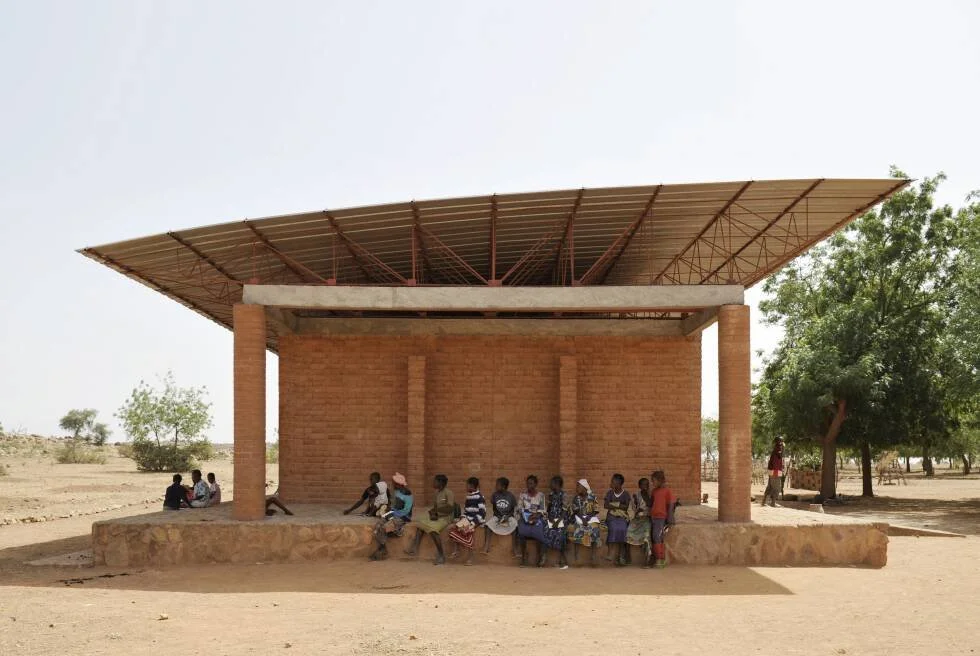
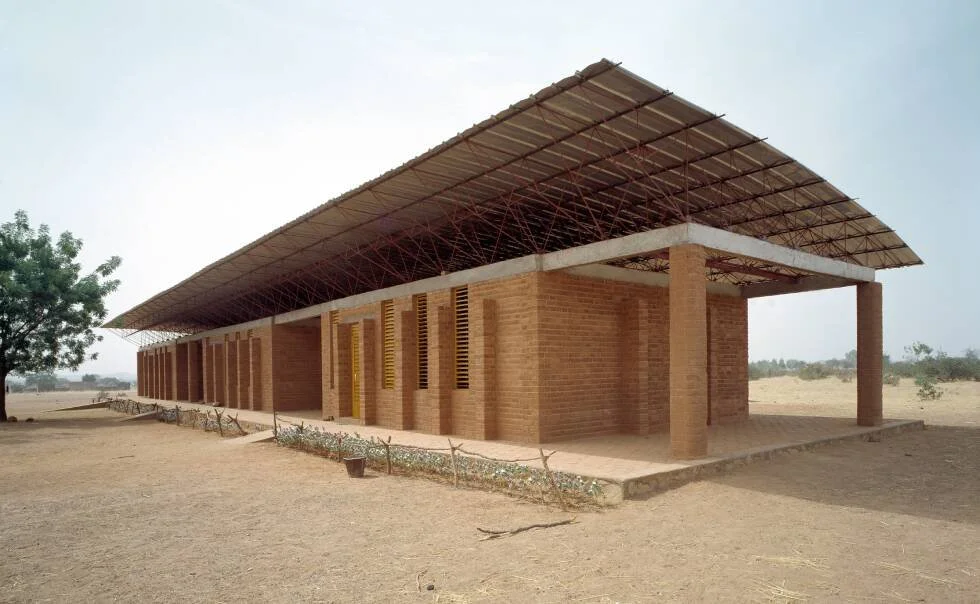
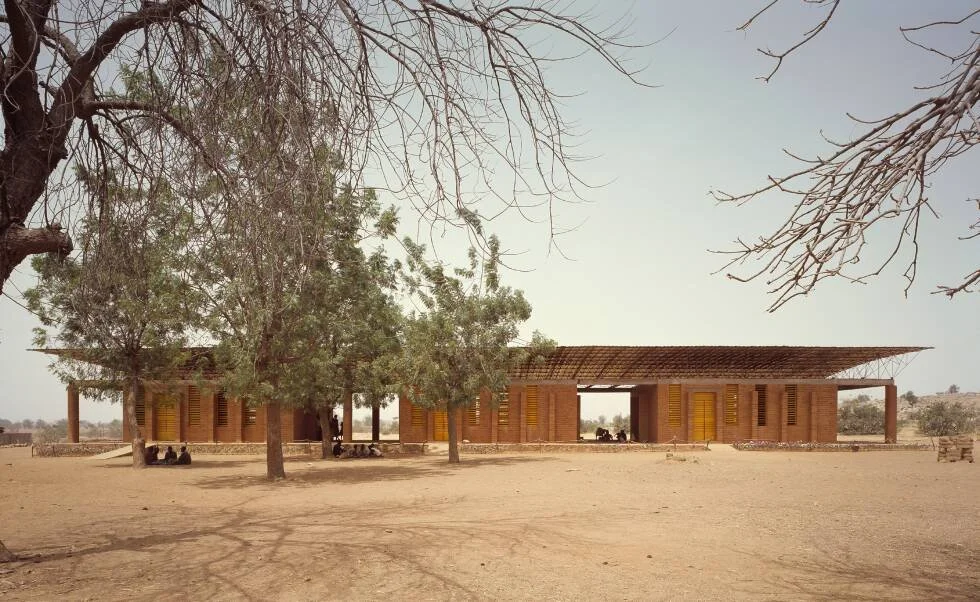
Architect: Diébédo Francis Kéré
Why it belongs on the list
Sometimes the most powerful architecture starts with a simple question: what does a community actually need?
Born in the village of Gando, Kéré designed its primary school as a response to the poor learning conditions he experienced growing up. Using locally sourced clay, handmade compressed-earth bricks and an innovative elevated roof, he created classrooms that remain comfortable in Burkina Faso's extreme heat.
Perhaps most importantly, the community helped build it, gaining construction skills along the way.
The project became a landmark example of socially responsible architecture and earned Kéré the 2022 Pritzker Architecture Prize.
Wa-tu perspective: A beautiful reminder that great architecture doesn't have to be expensive or extravagant. Sometimes its greatest achievement is giving a community something it never had.
03. Bait Ur Rouf Mosque
Dhaka, Bangladesh
Architect: Marina Tabassum
Why it belongs on the list
A masterclass in restraint.
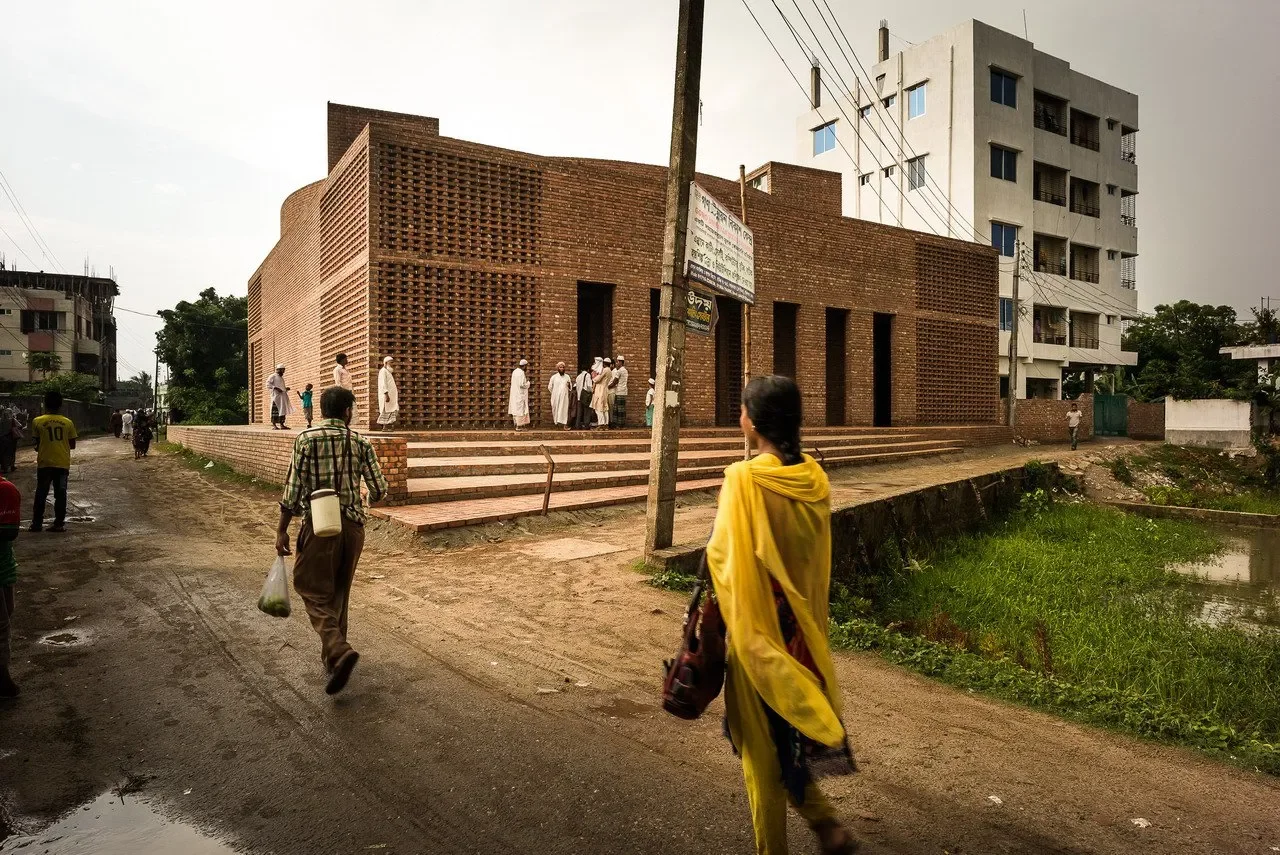
In a city as dense and energetic as Dhaka, Tabassum created a place of calm through an extraordinary understanding of light, geometry and material.
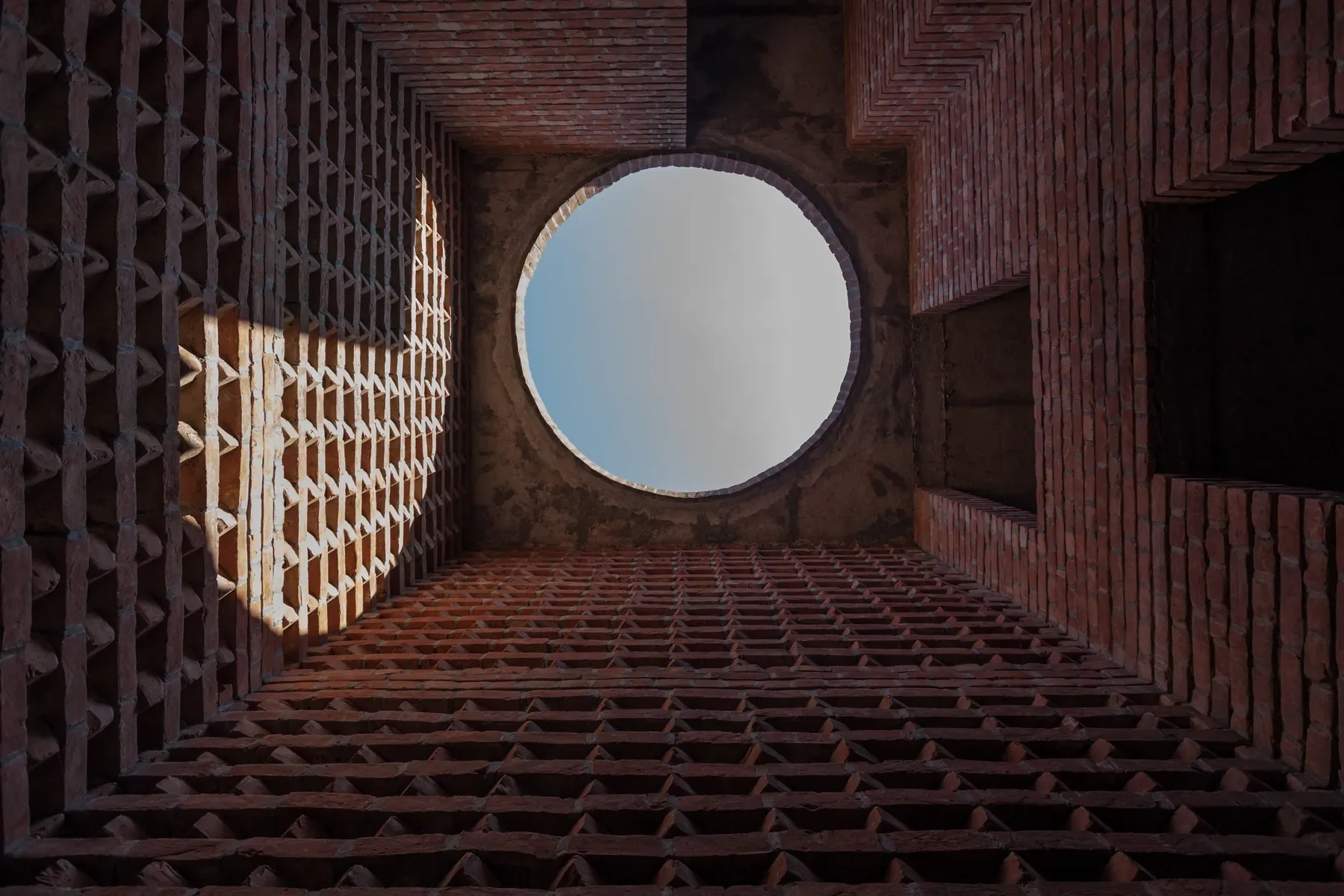
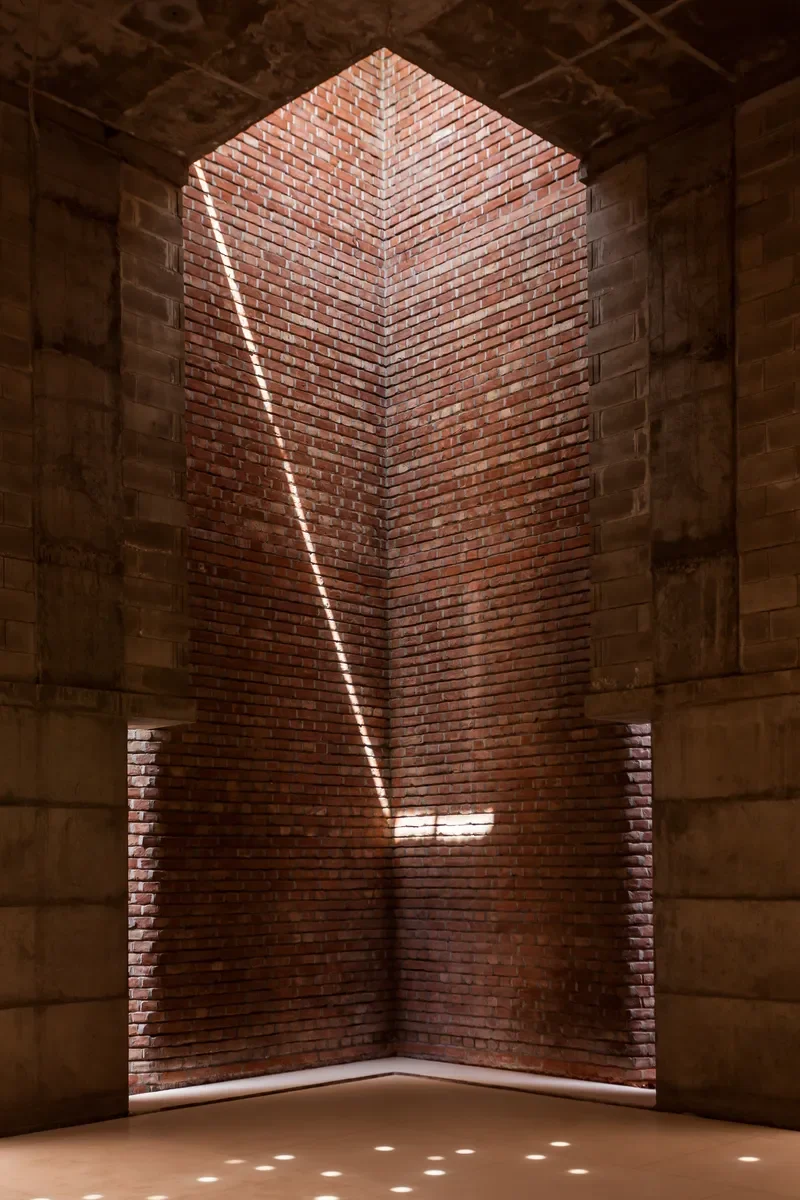
Built almost entirely from locally crafted brick, the mosque deliberately avoids the conventional domes and minarets associated with many religious buildings. Instead, a cylindrical volume sits within a square structure, creating beautiful internal light courts.
Perforated brick walls provide natural ventilation, while sunlight filters through openings in the roof, creating an almost meditative atmosphere.
The project won the 2016 Aga Khan Award for Architecture.
Wa-tu perspective: This is architecture that understands the emotional power of light. It demonstrates how contemporary design can honour cultural heritage without simply reproducing the past.
04. John Randle Center for Yoruba Culture and History
Lagos, Nigeria
Architect: Seun Oduwole, SI.SA Architects.
Why it belongs on the list
What happens when architecture becomes a vehicle for reclaiming cultural identity?
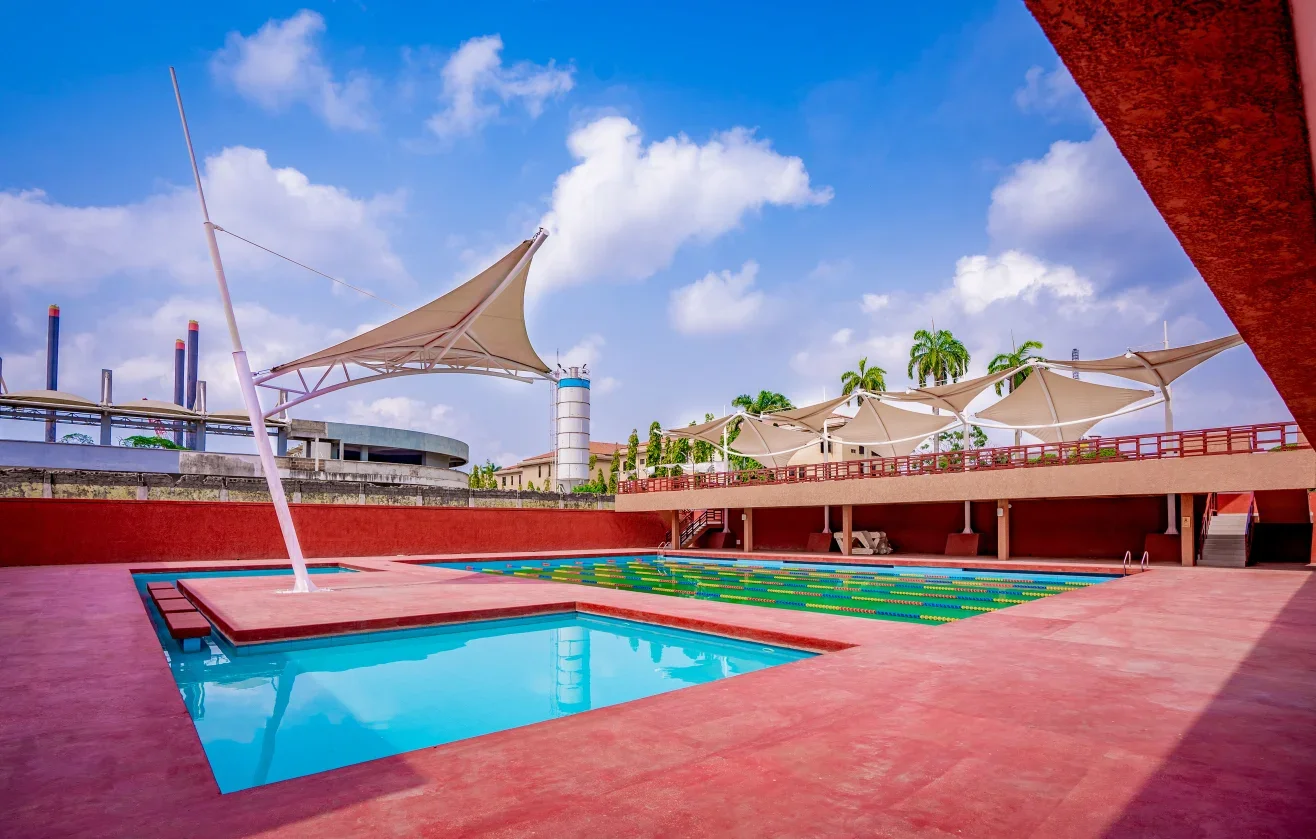
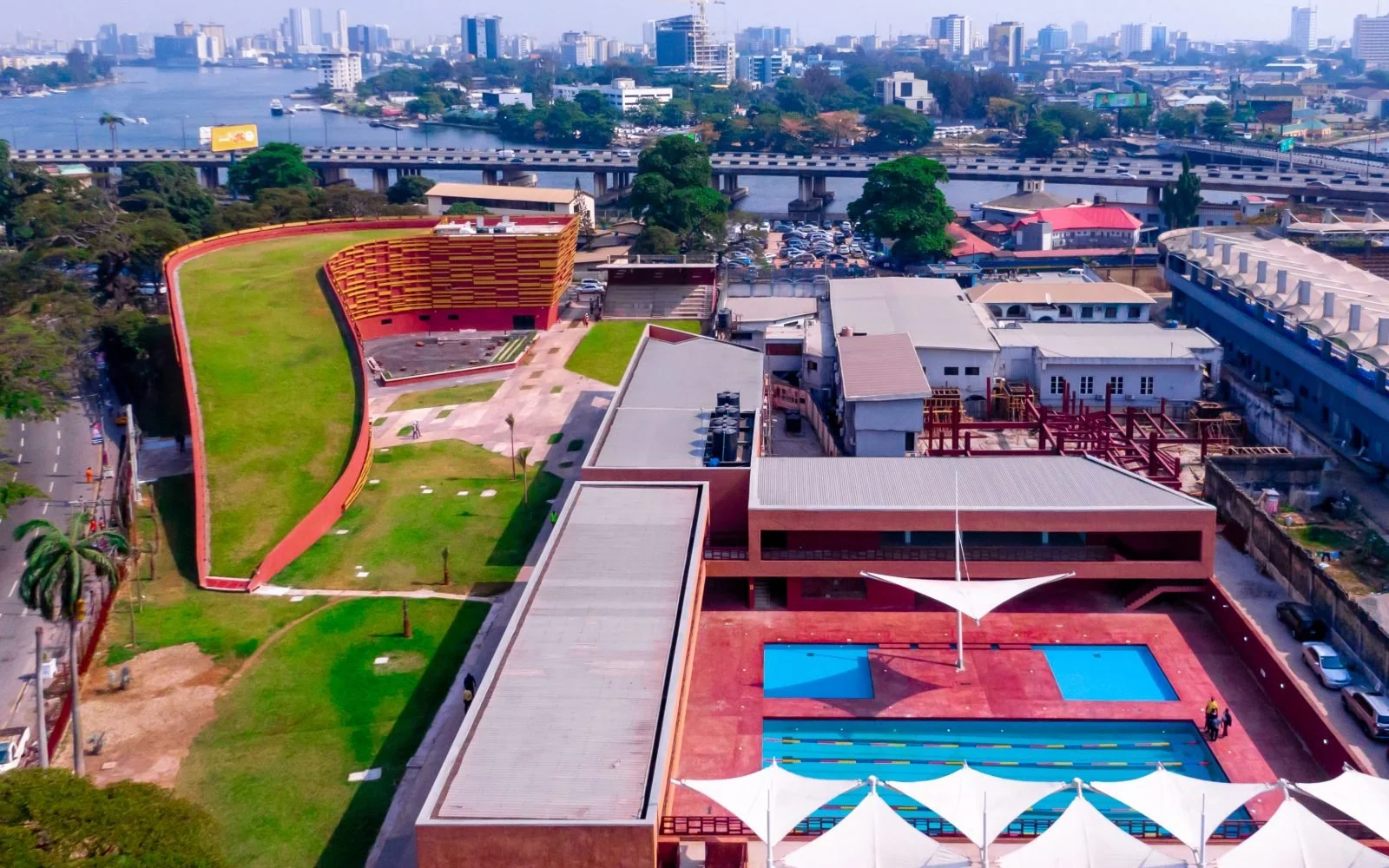
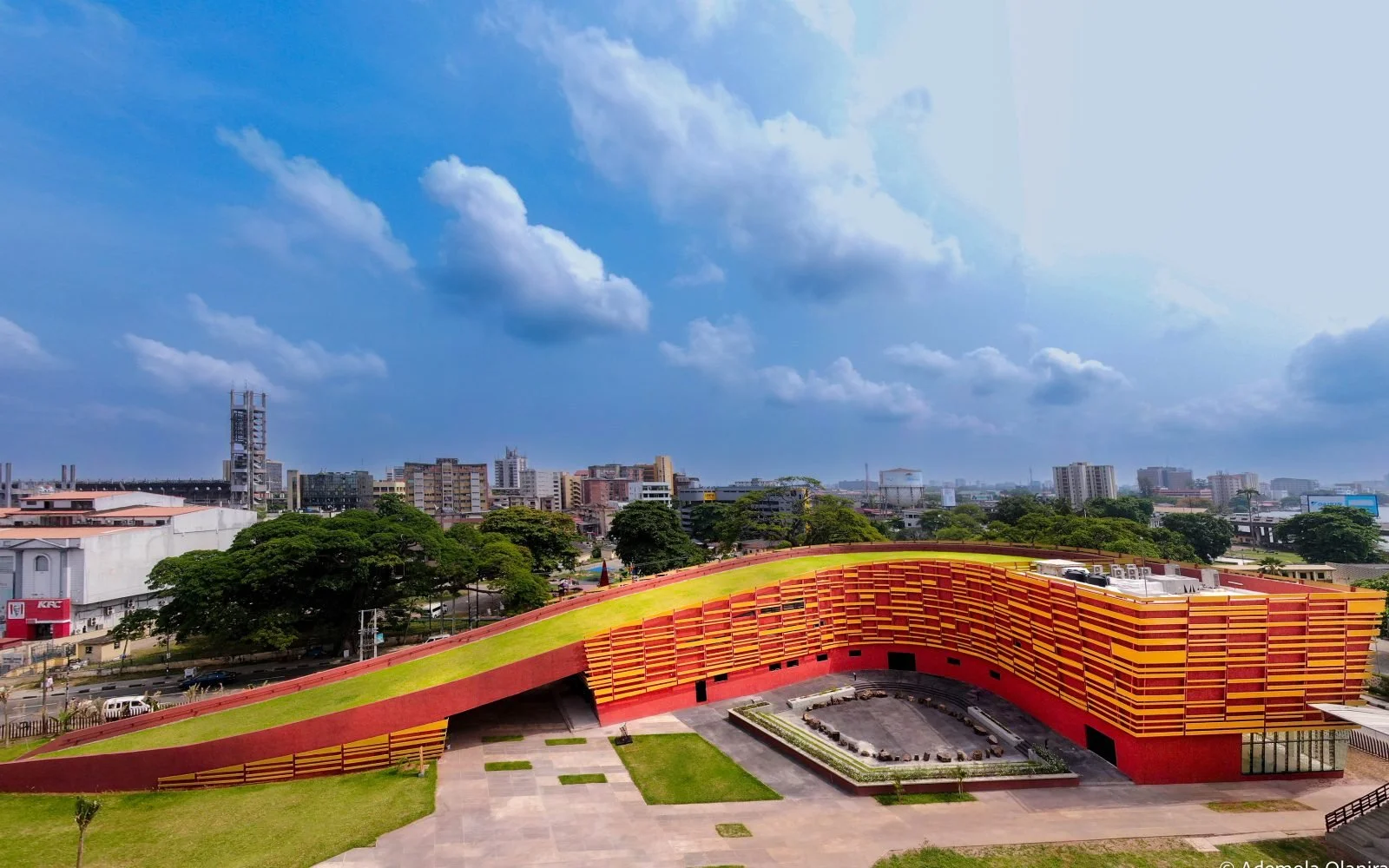
Located on Lagos Island, the John Randle Centre celebrates Yoruba history, mythology, art and traditions through a distinctly contemporary architectural language.
Its sculptural form draws inspiration from traditional Yoruba architecture, while the facade's metallic screen references traditional weaving and craftsmanship.
The project also revives a historic public recreational site, reconnecting the building with the social history of Lagos.
Inside, the experience moves beyond conventional museum displays, using storytelling, sound, art and immersive exhibitions to explore Yoruba identity.
Wa-tu perspective: This is particularly important architecture. It places African history and cultural knowledge at the centre of the narrative rather than treating them as footnotes to a wider architectural history.
05. National Museum of African American History and Culture
Washington, DC, USA
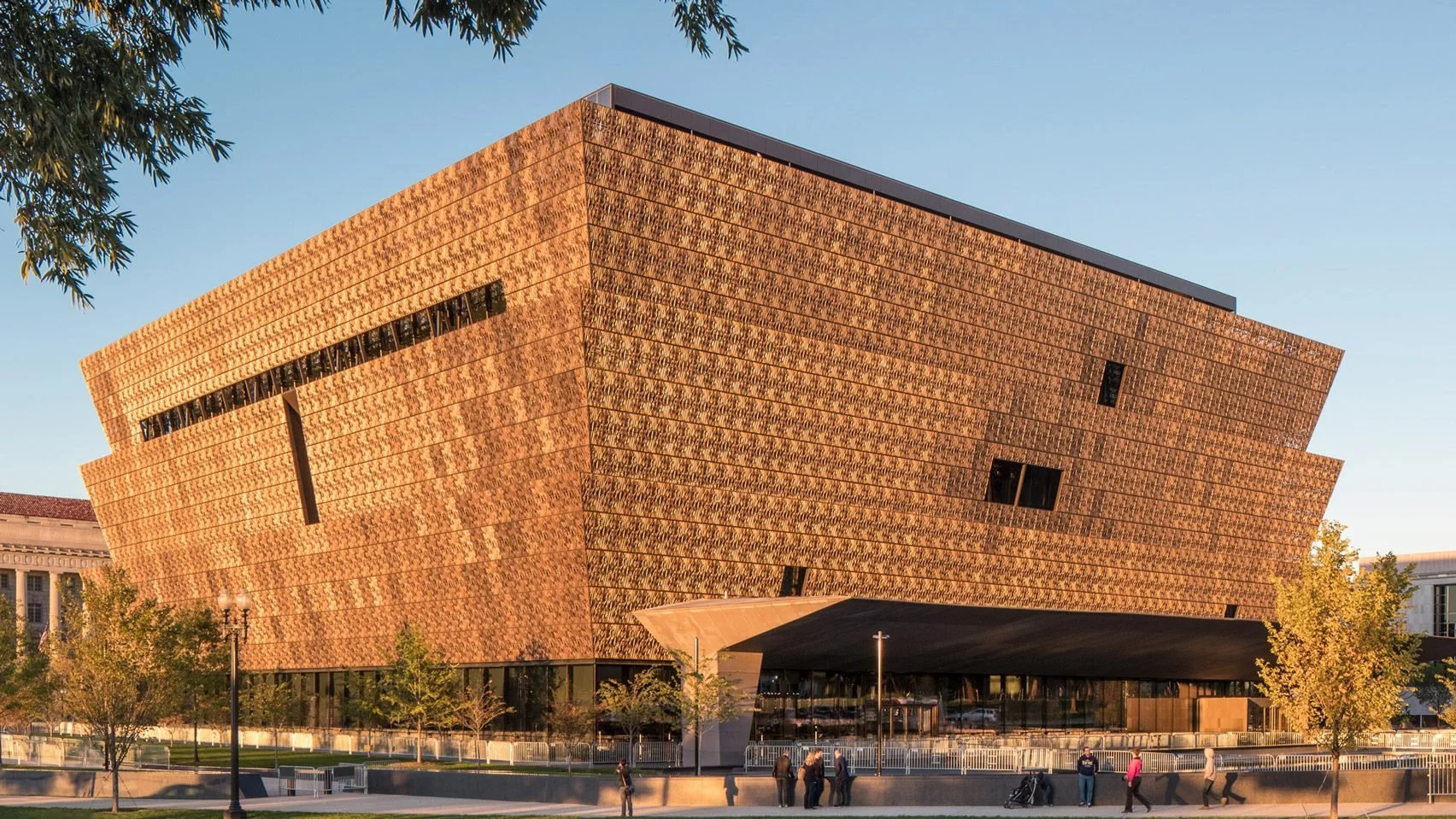
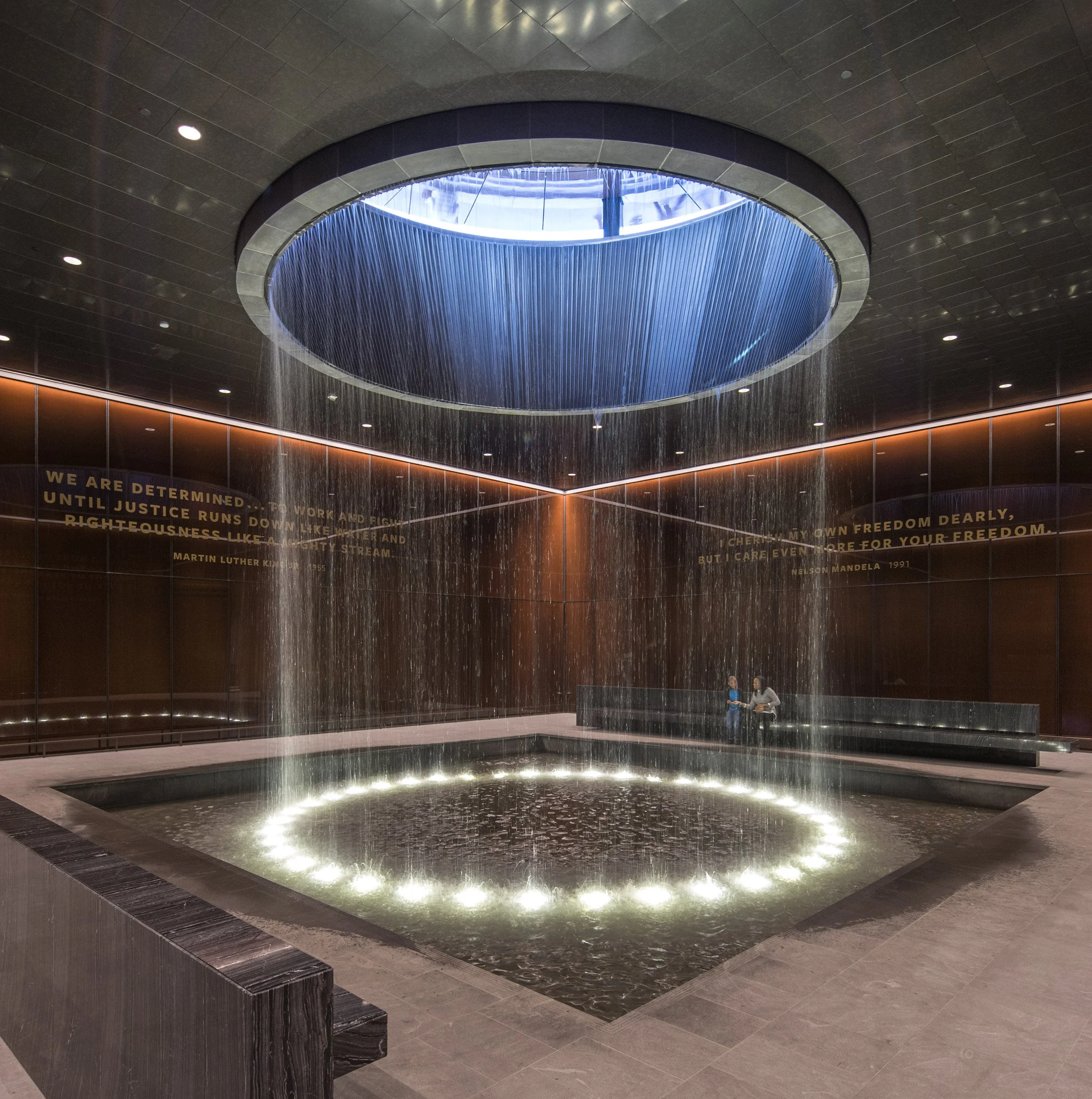
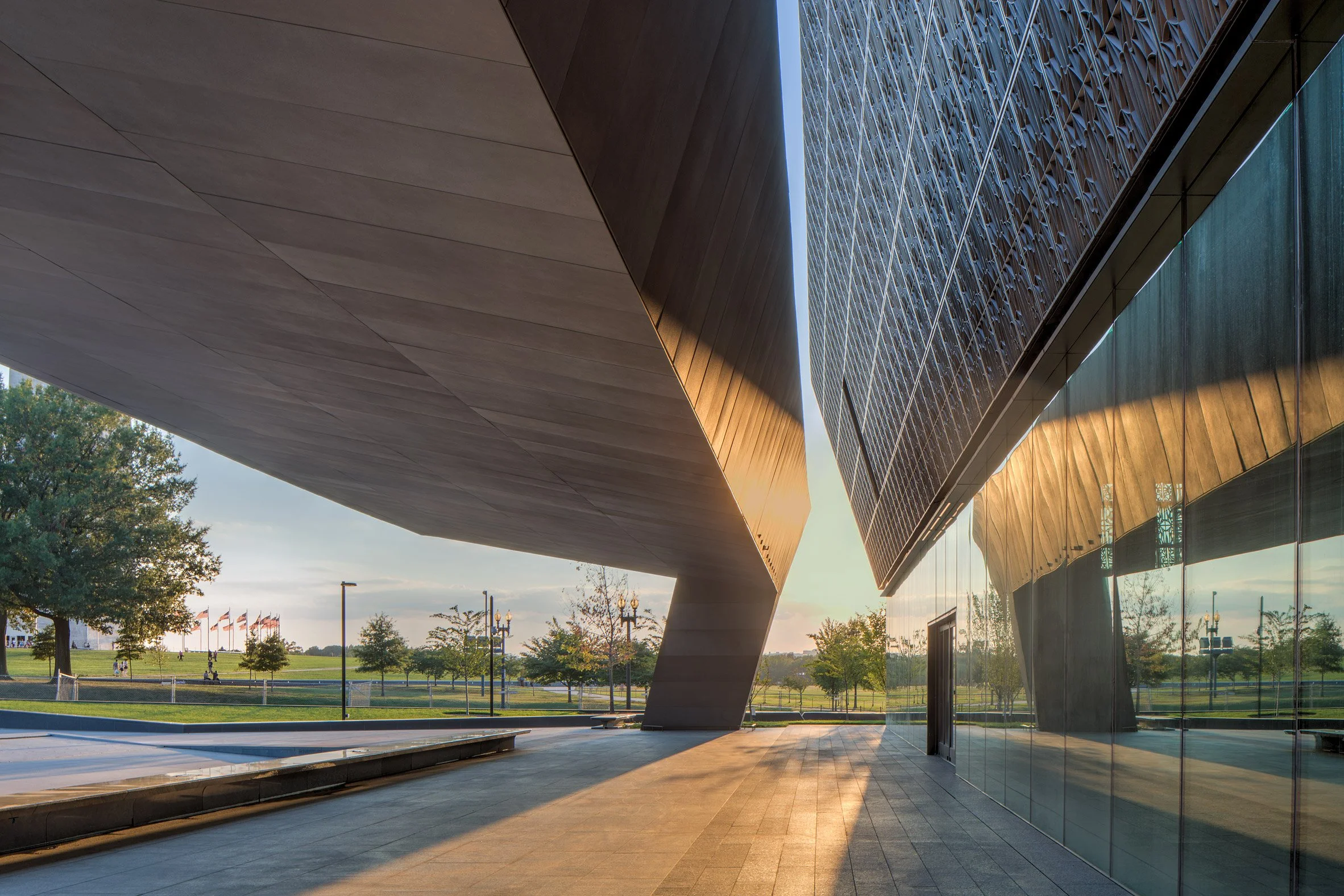
Lead designer: David Adjaye with Philip Freelon and the Freelon Adjaye Bond/SmithGroup team.
Why it belongs on the list
Few contemporary cultural buildings carry the symbolic weight of this museum.
Situated on Washington's National Mall, the building tells a story of African American history through its architecture as much as its exhibitions.
Its distinctive bronze-coloured exterior references the intricate ironwork crafted by enslaved African Americans in the American South.
The building's three-tiered crown draws inspiration from Yoruba art, while its welcoming porch references architectural traditions across Africa and the African diaspora.
The architecture becomes a physical expression of memory, resilience, identity and belonging.
Wa-tu perspective: A building can be a monument, a cultural institution and an act of remembrance all at once. This museum demonstrates the power of architecture to make historically overlooked stories impossible to ignore.