
This week’s five places
11.22.2026
Five places. Five stories. A world of culture waiting to be discovered.
For this week's Wa-tu roundup, I'd move beyond architecture and explore destinations shaped by the people, traditions, histories, and creative communities that give them their character.
These are places worth experiencing, photographing and understanding. Places where culture isn't simply something preserved for visitors; it's something lived every day.
The selection spans Africa, the Caribbean, South America and North America, with a focus on Black and Indigenous heritage, cultural expression and local creativity.
01. Stone Town
Zanzibar, Tanzania
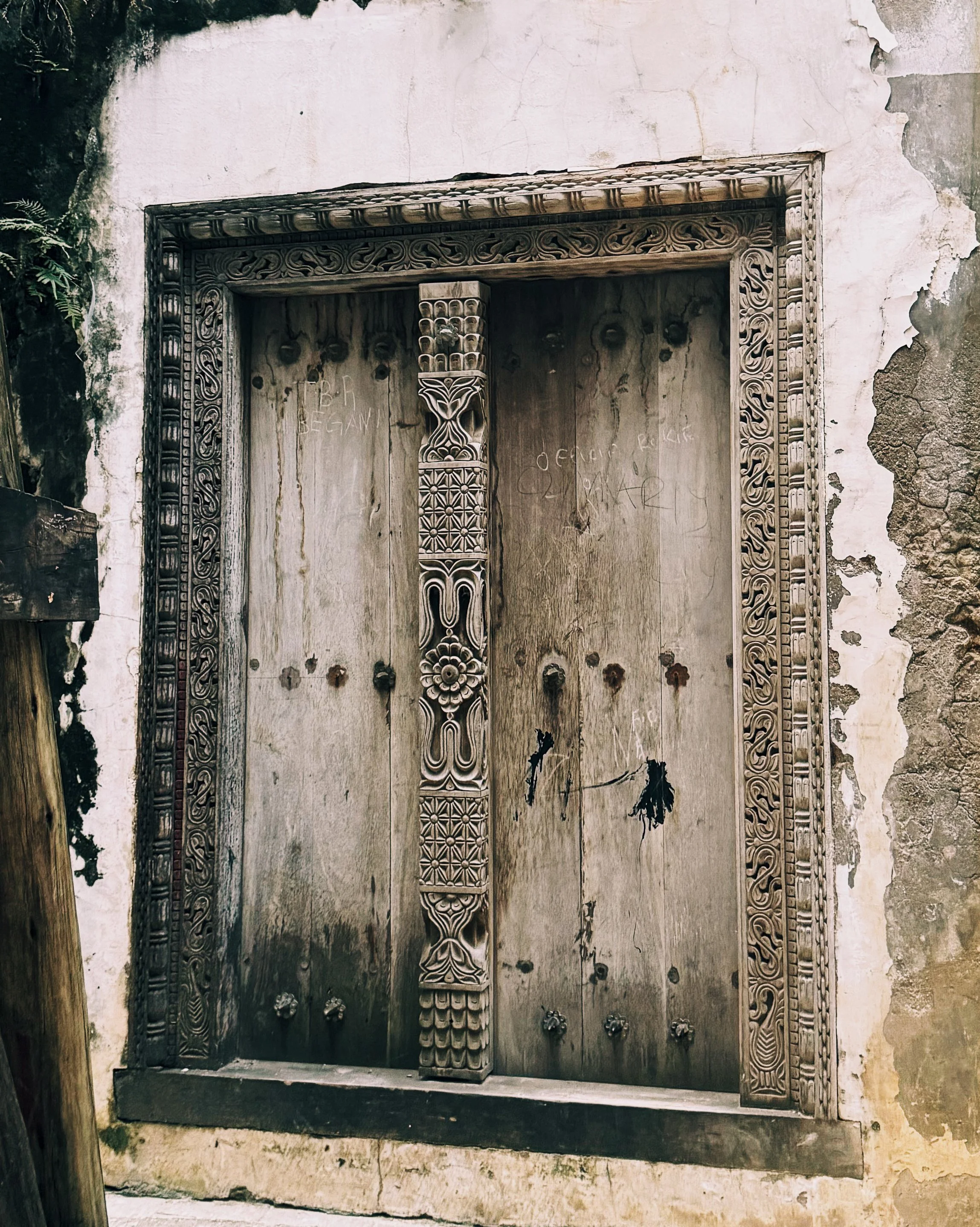
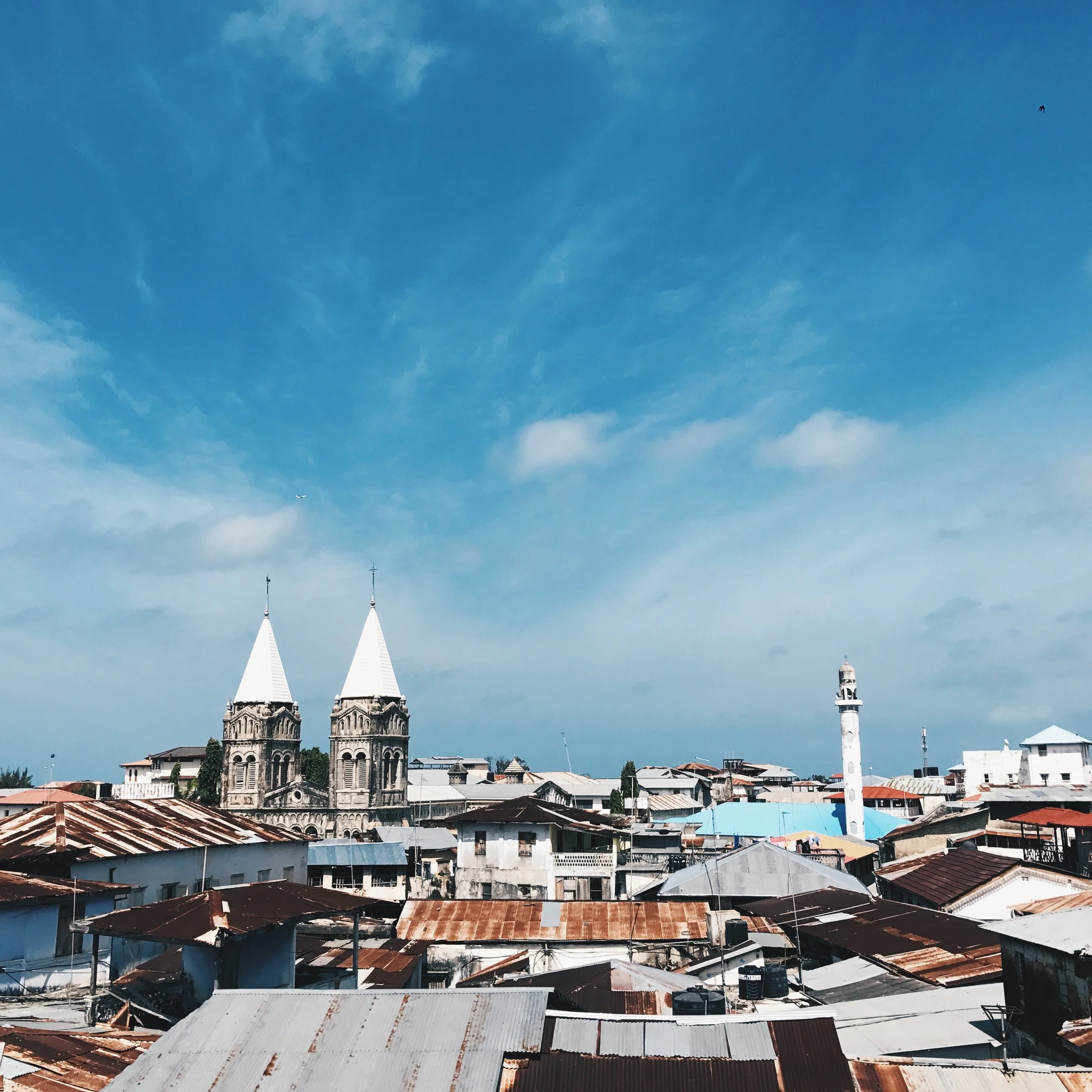
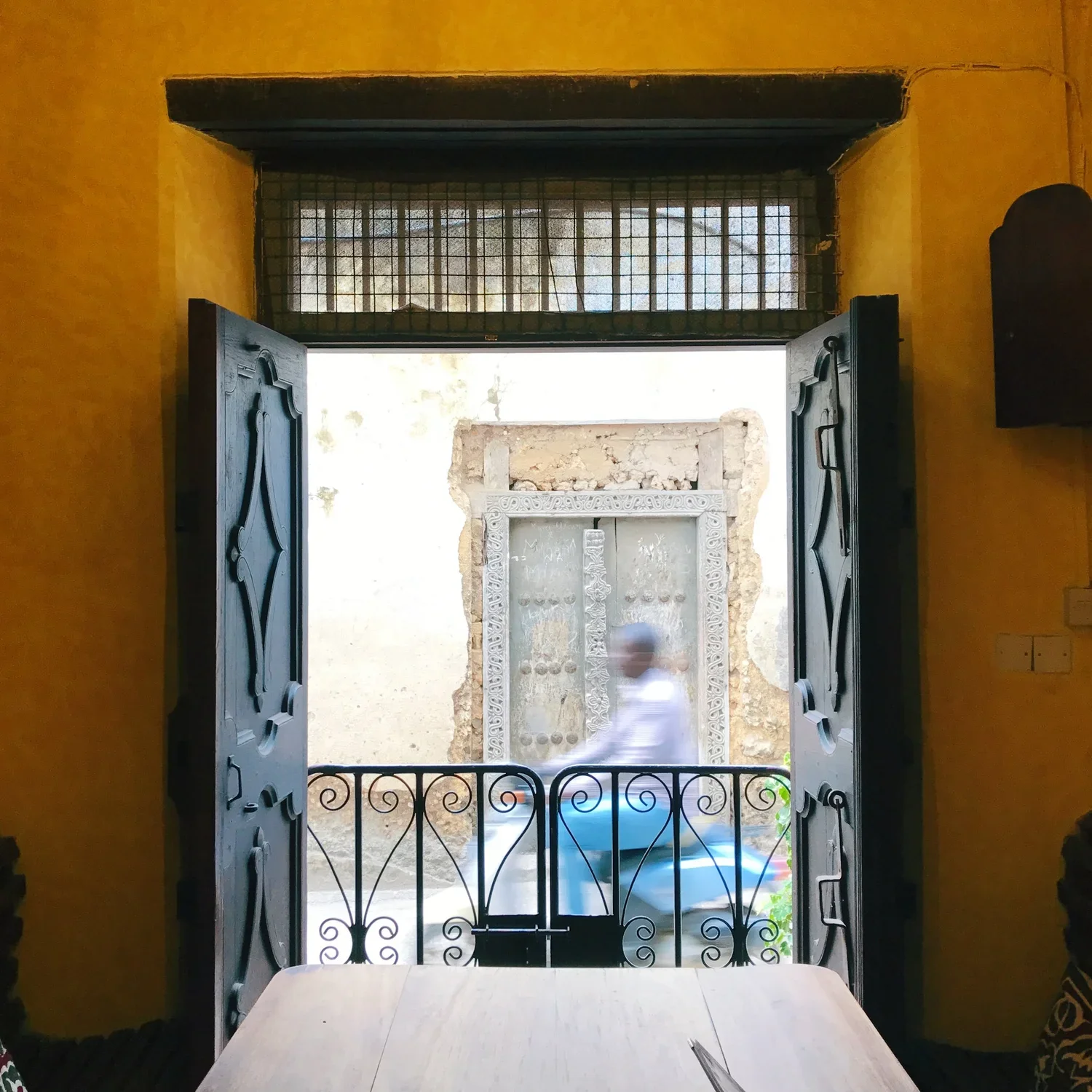
A meeting point of Africa, Arabia and the Indian Ocean.
Stone Town is one of East Africa's most culturally fascinating destinations. Its identity has been shaped by centuries of trade, migration and cultural exchange between the African mainland, Arabia, India and Europe.
Wander through its narrow streets, and you'll encounter intricately carved Zanzibari doors, bustling markets, Swahili homes, mosques and historic waterfront buildings.
But Stone Town is about much more than its architecture. It's about the Swahili language, taarab music, spice culture, food traditions and the everyday rhythms of island life.
UNESCO recognizes Stone Town as an exceptional example of Swahili coastal urban culture, reflecting more than a millennium of cultural exchange.
Don't miss:
Forodhani Gardens – street food and waterfront atmosphere.
Darajani Market – a sensory introduction to everyday Zanzibar.
The Old Fort – a historic cultural gathering place.
The Freddie Mercury Museum – a window into Zanzibar's more recent cultural history.
Wa-tu perspective: Stone Town reminds us that African identity has never existed in isolation. Its culture is a living expression of movement, exchange, and connection across the Indian Ocean.
02. Salvador da Bahia
Bahia, Brazil
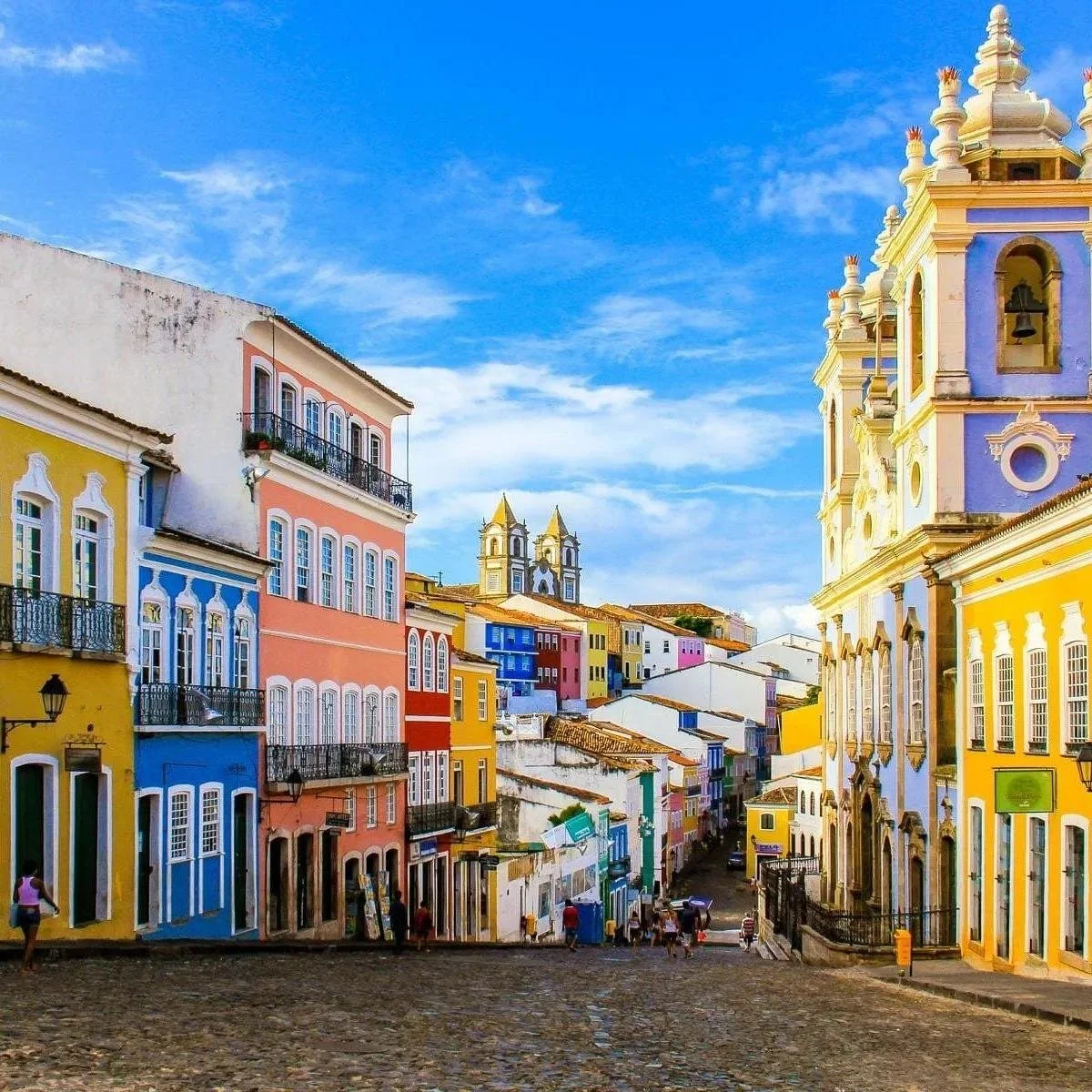
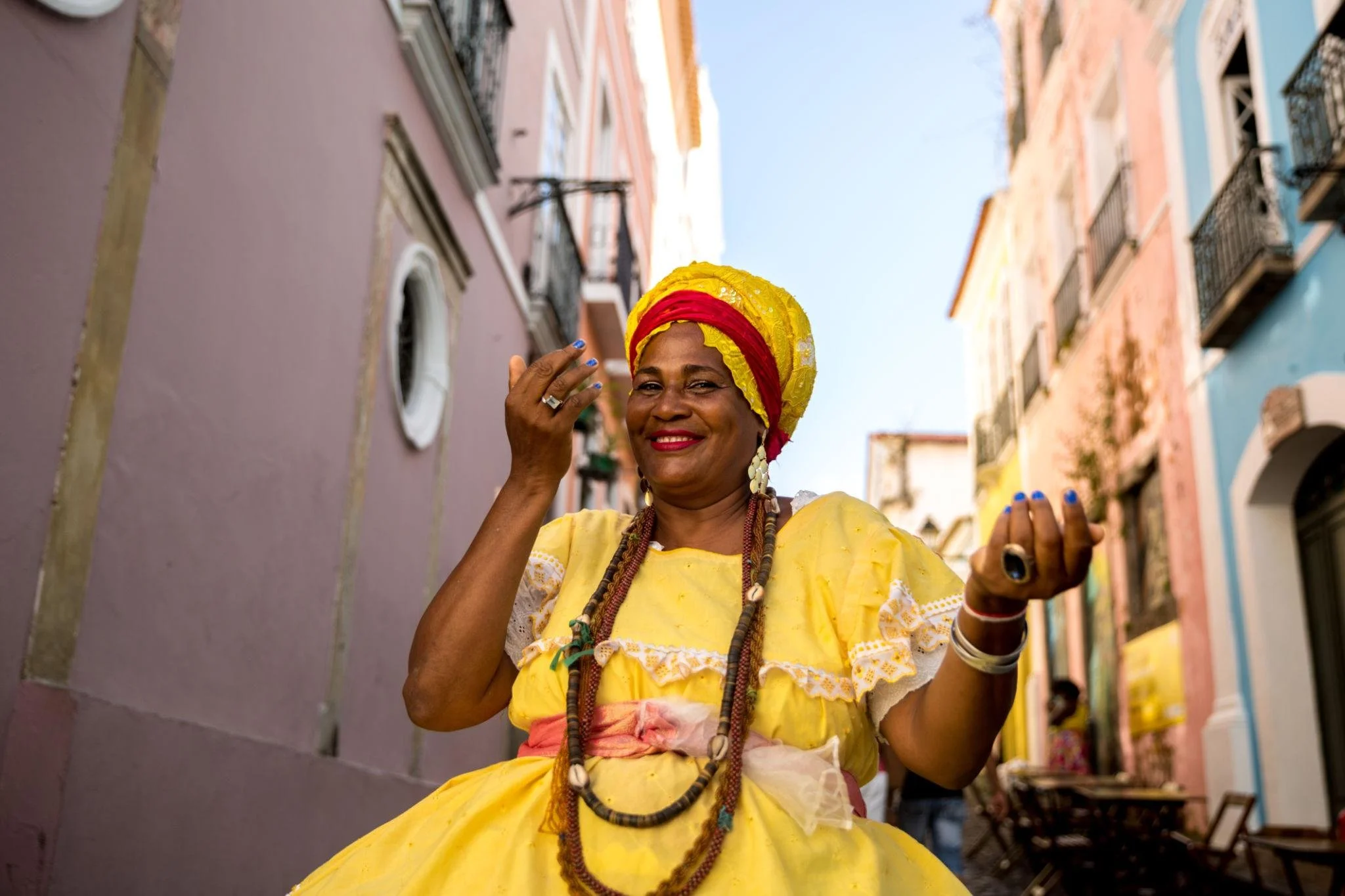
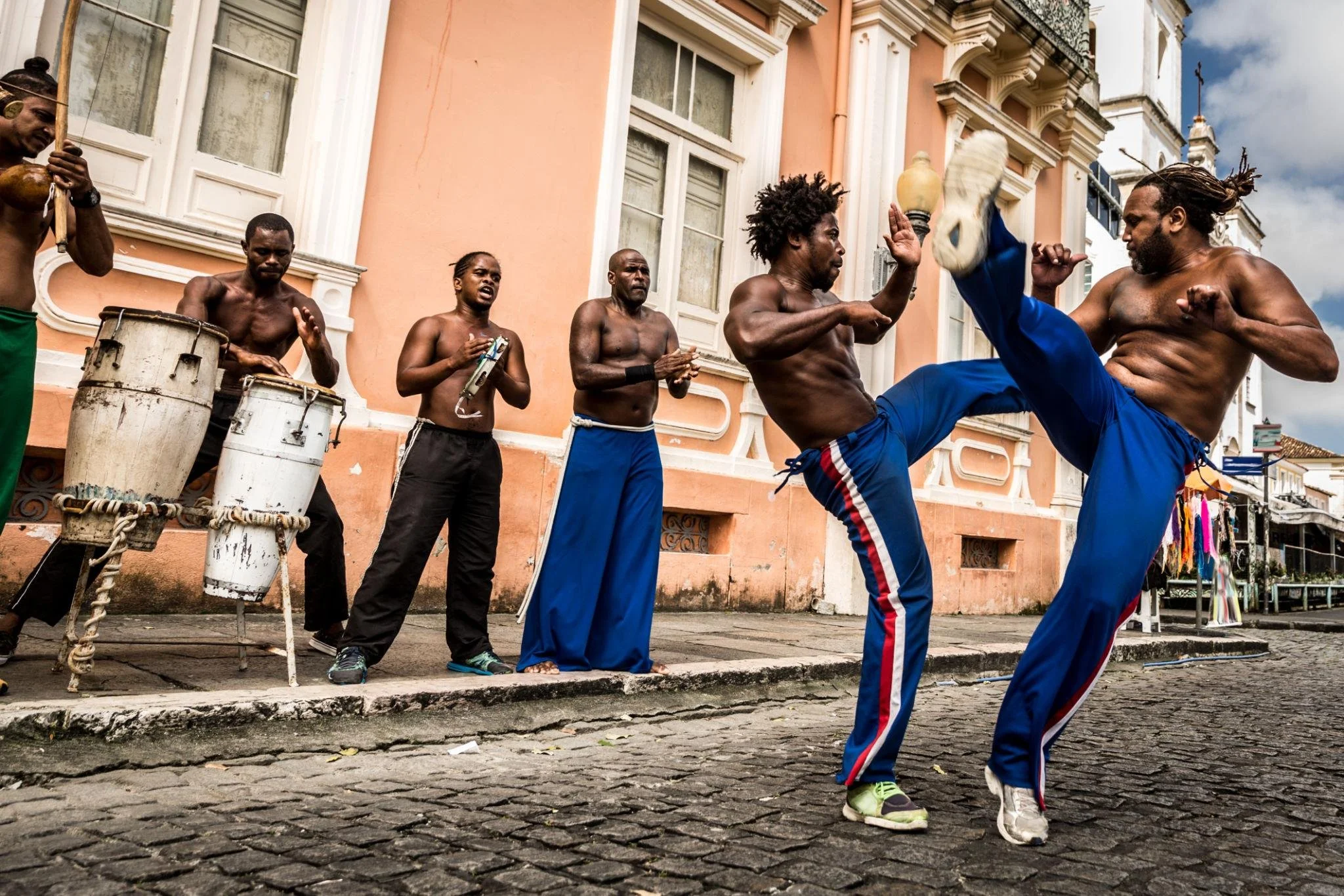
Where African heritage lives, breathes and moves.
Salvador is arguably one of the most important centers of Afro-diasporic culture in the world.
The former colonial capital of Brazil has a complex history shaped by the transatlantic slave trade. Today, its African heritage is deeply embedded in its music, food, religion, dance and everyday life.
In the historic Pelourinho district, colorful facades frame cobbled streets where music spills from doorways and capoeira performers keep traditions alive.
The city is also an important center of Candomblé, an Afro-Brazilian religion rooted in West African spiritual traditions.
UNESCO recognizes Salvador's historic center for its exceptional cultural and architectural heritage, shaped by African, Indigenous, and European influences.
Don't miss:
Pelourinho – the historic heart of Salvador.
Igreja de Nossa Senhora do Rosário dos Pretos – a church with deep Afro-Brazilian historical significance.
Mercado Modelo – traditional crafts and local culture.
Rio Vermelho – food, music, and nightlife.
Wa-tu perspective: Salvador demonstrates the extraordinary resilience of African culture across the diaspora. Despite centuries of oppression, its traditions have not simply survived; they've helped shape the identity of an entire city.
03.Oaxaca
Oaxaca, Mexico
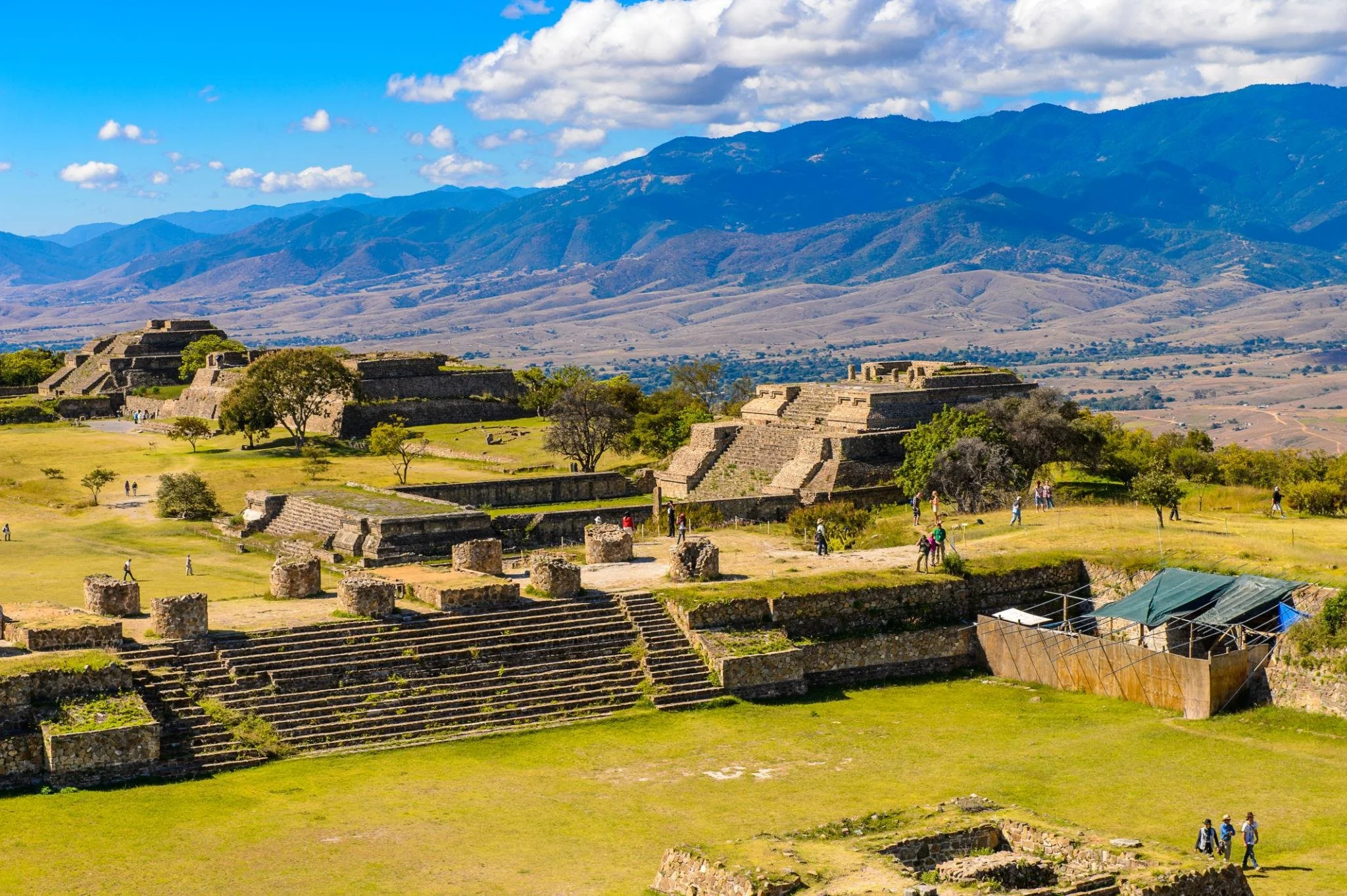
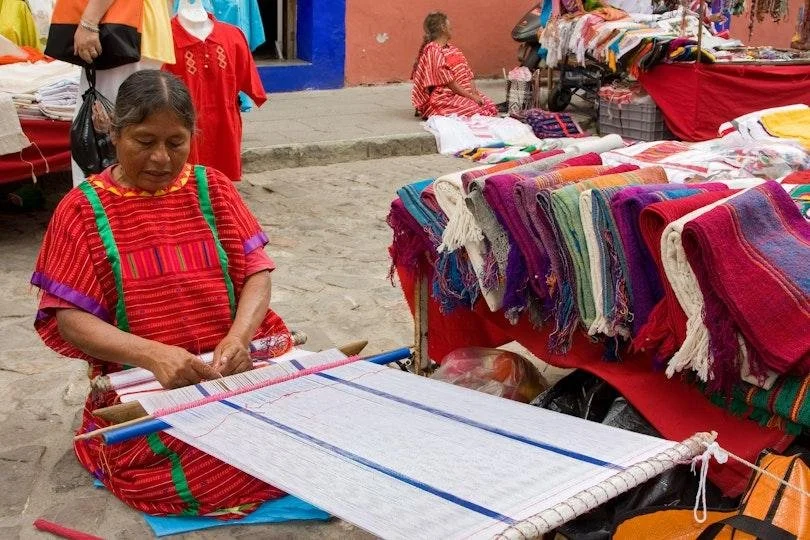
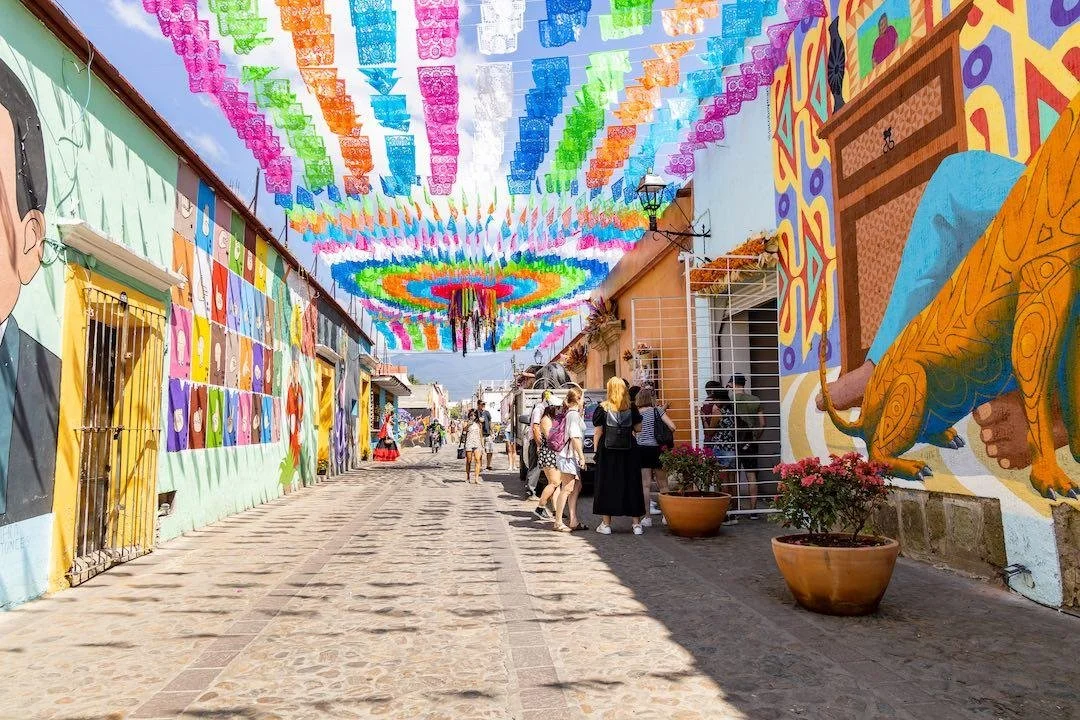
A place where Indigenous heritage remains part of everyday life.
Oaxaca offers an extraordinary connection to Mexico's Indigenous cultures, particularly the Zapotec and Mixtec peoples.
Its identity is expressed through traditional weaving, ceramics, indigenous languages, food, music and community celebrations.
The historic city is a gateway to a wider cultural landscape that includes ancient archaeological sites, mountain villages and artisan communities.
One of its most celebrated traditions is Guelaguetza, a gathering that brings together music, dance, dress and cultural expressions from communities across the eight regions of Oaxaca.
UNESCO recognizes the historic center of Oaxaca and nearby Monte Albán, a major ancient Zapotec center, as a World Heritage property.
Don't miss:
Jalatlaco – colorful streets, independent galleries and cafés.
Monte Albán – extraordinary pre-Columbian heritage.
Mercado Benito Juárez – local food, crafts and everyday life.
Teotitlán del Valle – a Zapotec community renowned for traditional weaving.
Wa-tu perspective: Oaxaca reminds us that cultural heritage isn't always found in museums. Sometimes it's in the hands of an artisan, the language spoken at a market, or a recipe passed between generations.
04. Harlem
New York City, USA
The neighborhood that helped shape the world.
Few places have had a cultural influence quite like Harlem.
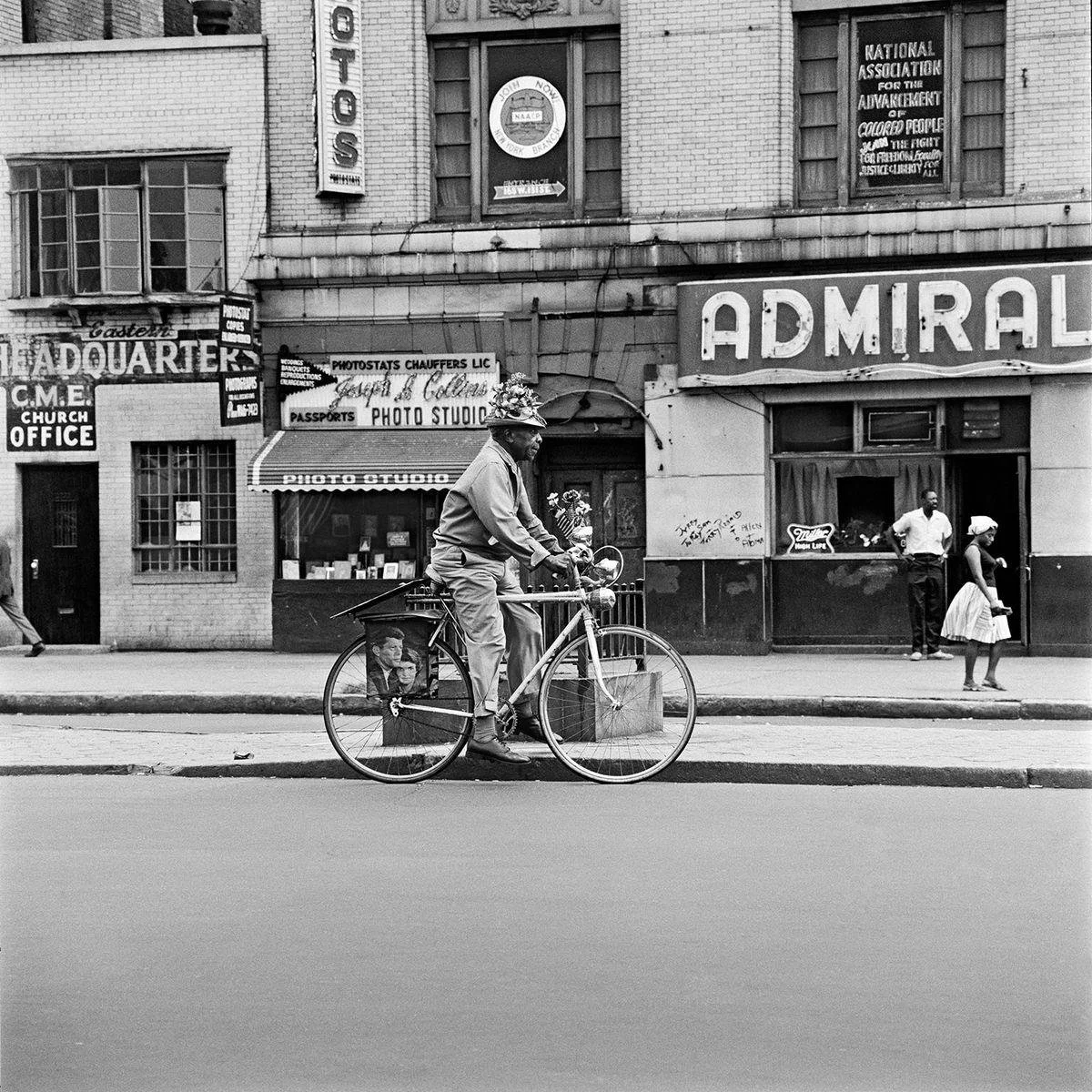
During the Harlem Renaissance of the 1920s and 1930s, the neighborhood became a global center for Black literature, jazz, visual arts, political thought, and intellectual life.
Writers, musicians, artists and activists transformed Harlem into a cultural movement whose influence reached far beyond New York.
Today, that creative legacy continues through its galleries, independent businesses, music venues, churches and cultural institutions.
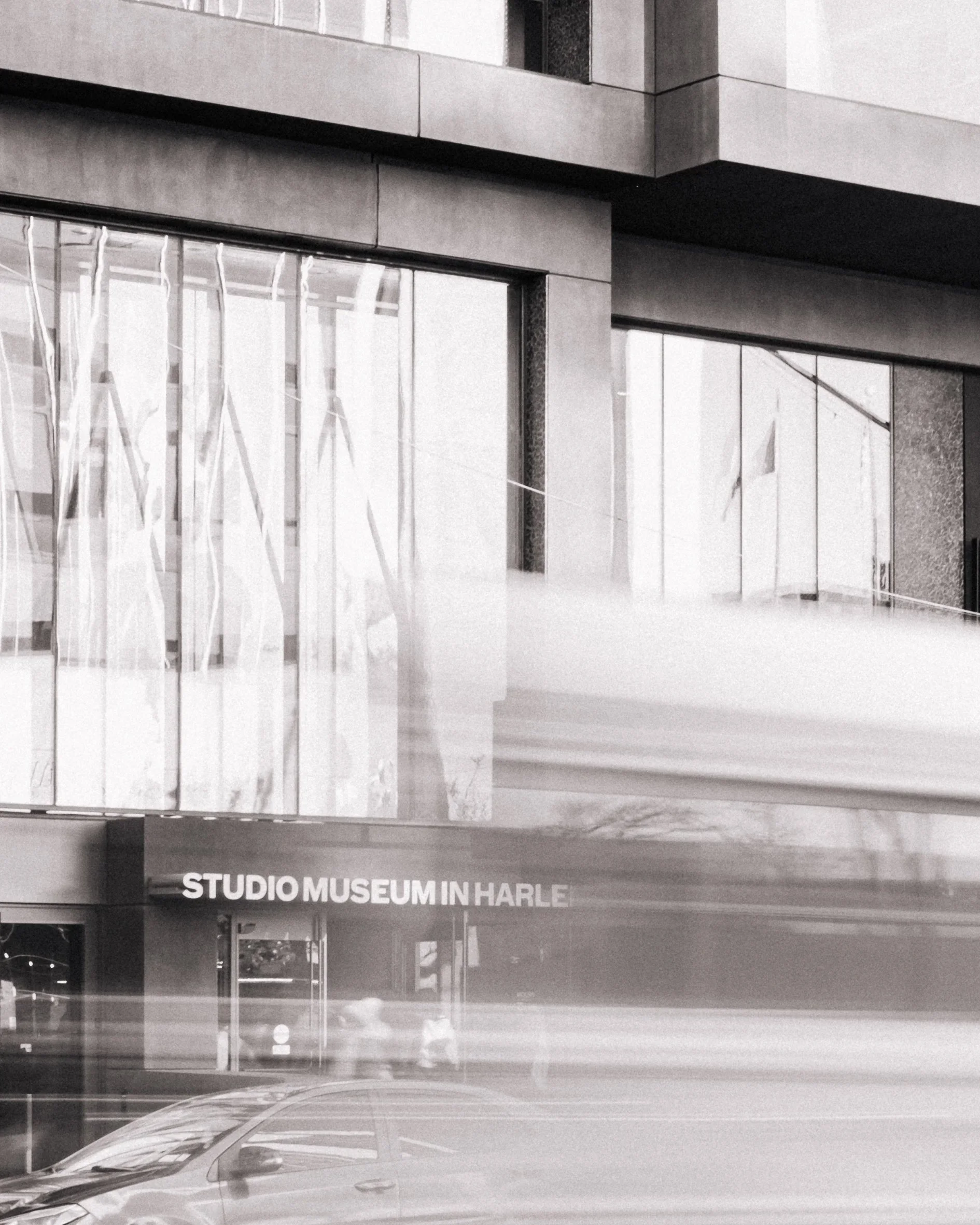
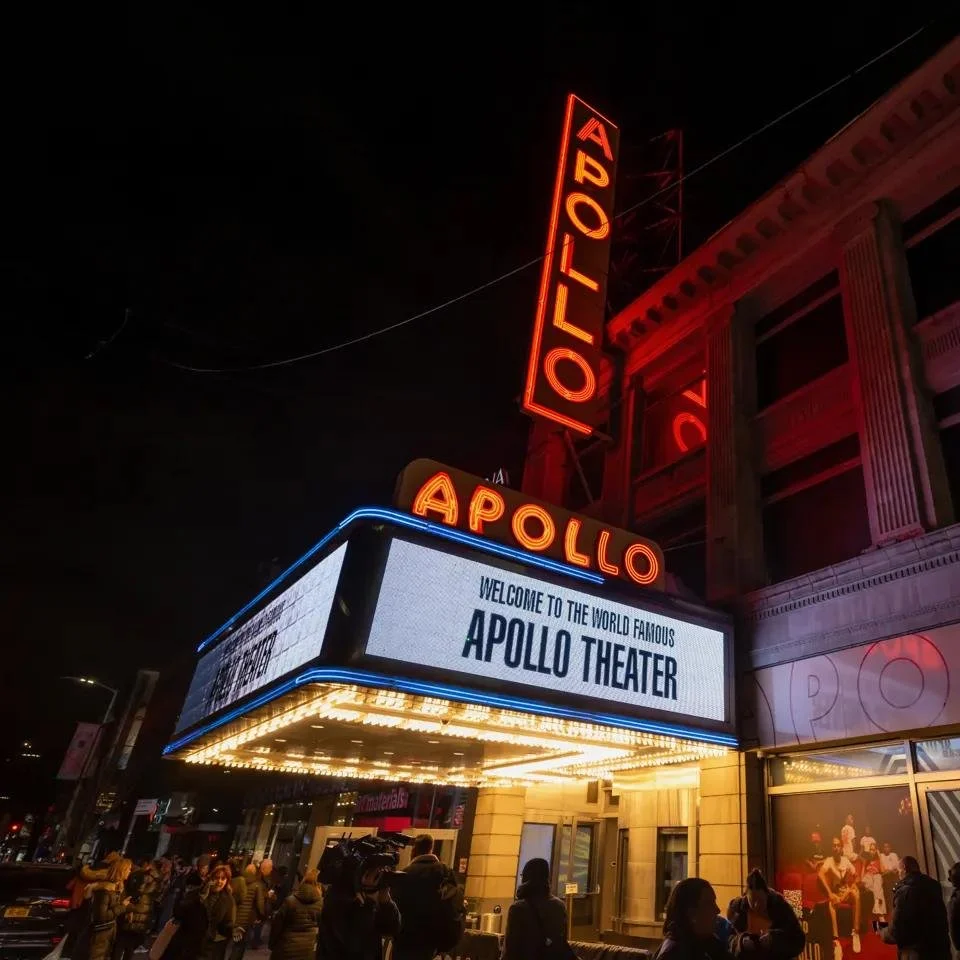
The Studio Museum in Harlem, founded in 1968, remains an important platform for artists of African descent, while the Apollo Theater continues its extraordinary musical legacy.
Don't miss:
Apollo Theater – an iconic institution in Black music history.
Studio Museum in Harlem – contemporary art by artists of African descent.
125th Street – the commercial and cultural heartbeat of the neighborhood.
Schomburg Center for Research in Black Culture – an essential archive of the African diaspora.
Strivers' Row – beautiful historic streets and architecture.
Wa-tu perspective: Harlem is proof that a neighborhood can become a global cultural force. Its influence reminds us that creativity, community and identity can change the way the world sees itself.
05. Dakar
Senegal, West Africa
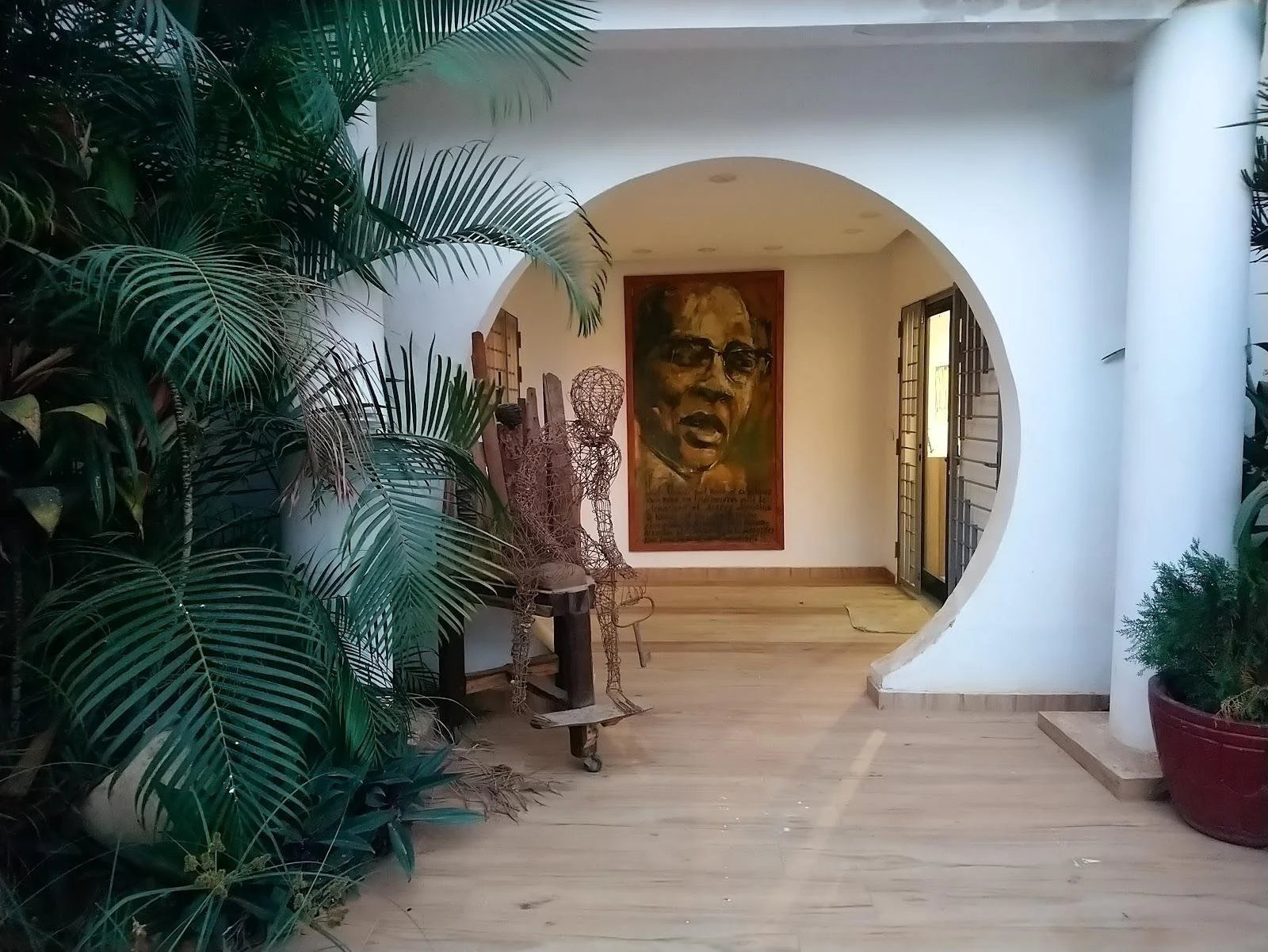
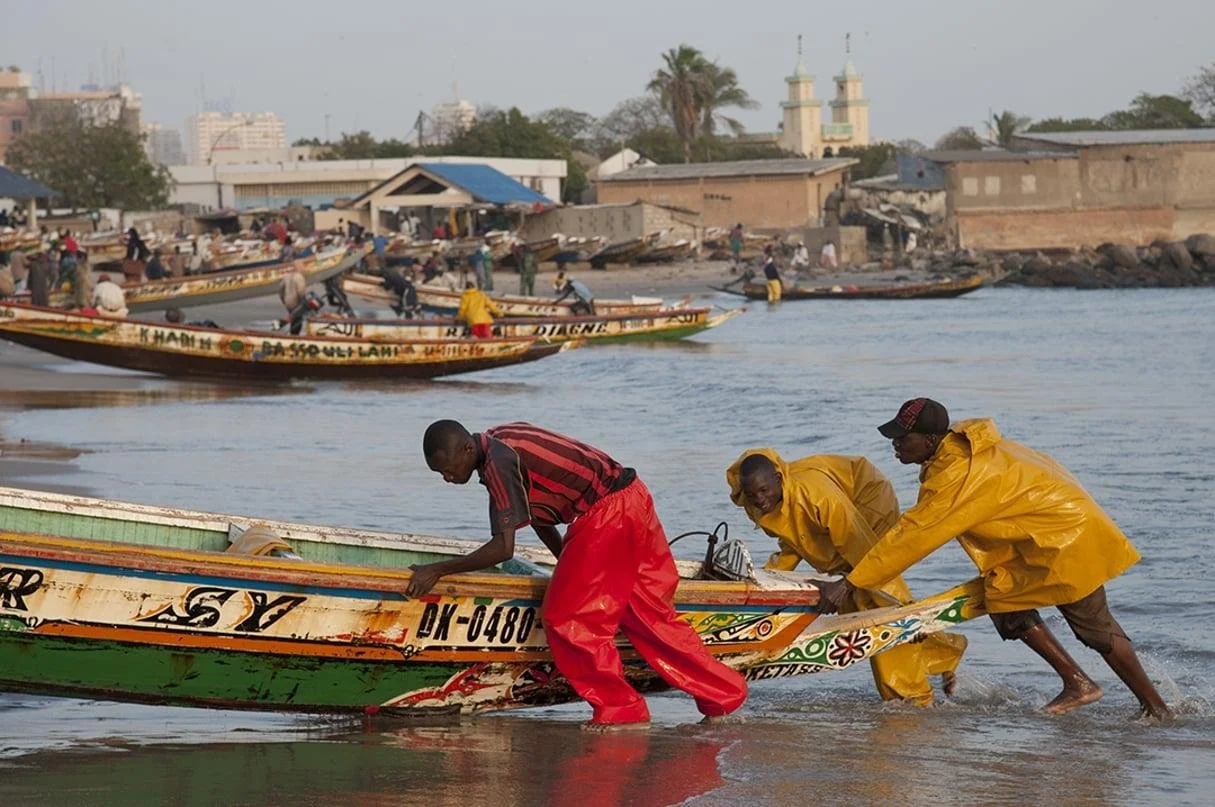
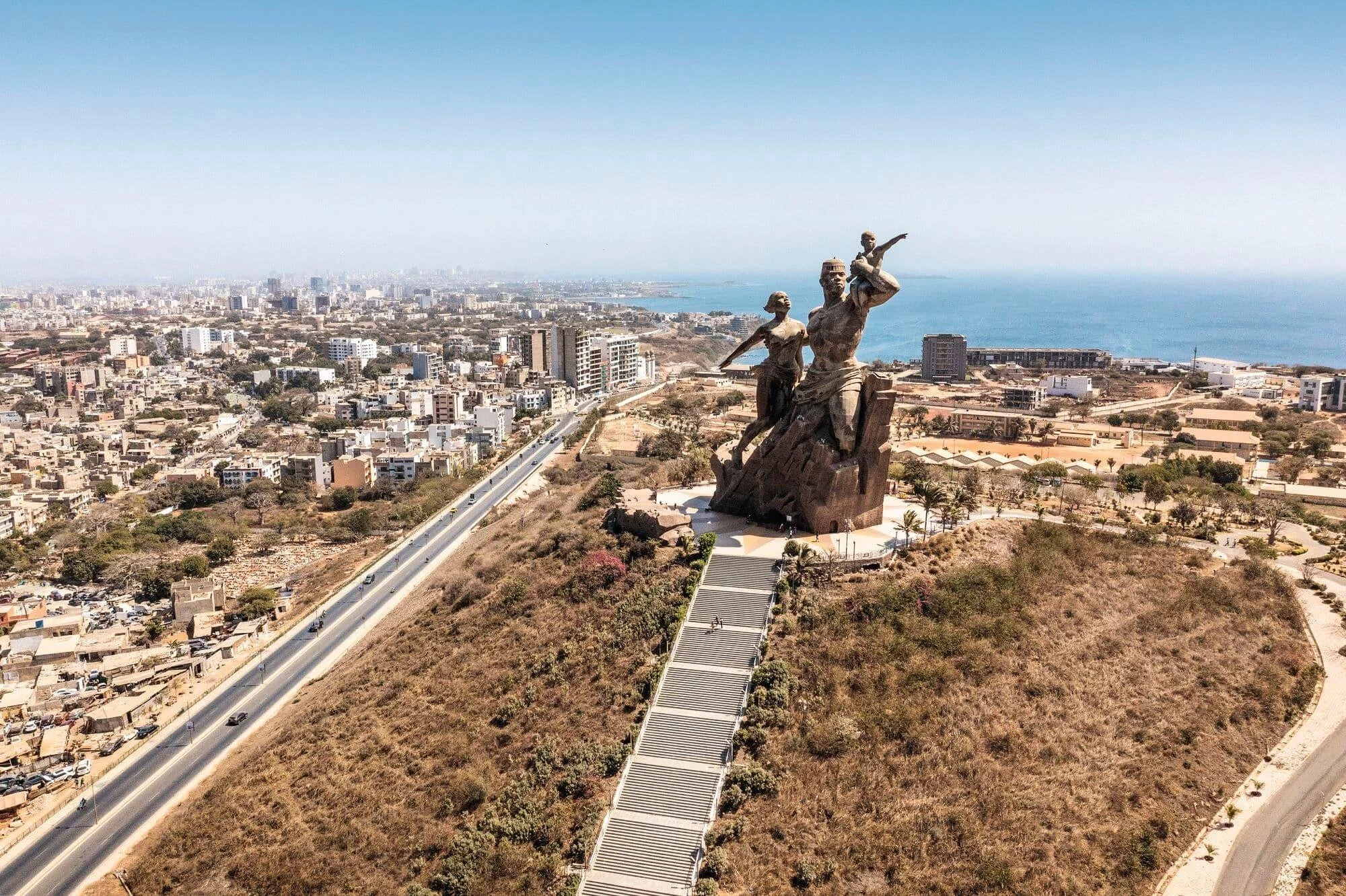
Where contemporary African creativity meets deep cultural heritage.
Dakar is one of West Africa's most compelling cultural capitals. A city where contemporary art, fashion, music, and design sit alongside centuries-old traditions and a vibrant street culture.
From the bustling streets of Médina to the galleries and creative studios emerging across the city, Dakar has developed a distinctive cultural identity that reaches far beyond Senegal's borders.
It is also home to the legacy of Negritude, the literary and intellectual movement associated with Senegal's first president and poet, Léopold Sédar Senghor, which celebrated Black identity and African cultural expression.
Don't miss:
Village des Arts – a creative community of artists and studios.
IFAN Museum of African Arts – an important collection of African cultural heritage.
Île de Gorée – a UNESCO World Heritage Site and powerful place of remembrance relating to the transatlantic slave trade.
Marché Soumbédioune – traditional crafts, fishing culture, and local life.
Mamelles – coastal scenery and the African Renaissance Monument.
Wa-tu perspective: Dakar represents an Africa that is both deeply rooted and forward-looking. Its creative community is helping shape how contemporary African culture is experienced and understood globally.